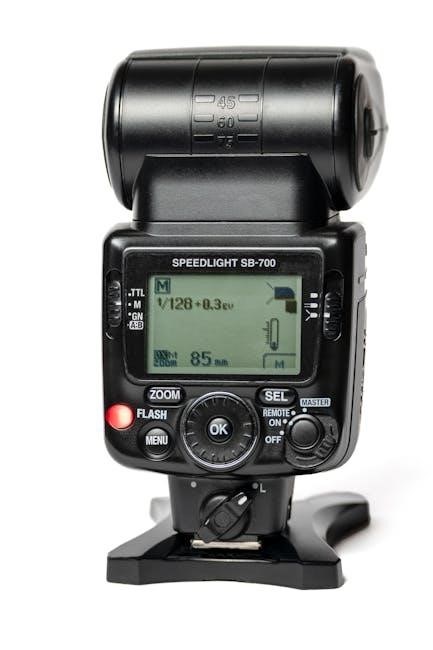
Fluke 1507 Insulation Resistance Tester: A Comprehensive Guide
This guide details the Fluke 1507, covering installation, operation, maintenance, and safety—supplemented by a 2005-2014 manual revision (Part Number 2416013).
The Fluke 1507 Insulation Resistance Tester is a robust and reliable tool designed for preventative maintenance and troubleshooting of electrical systems. This instrument, detailed in the 1507/1503 Users Supplement (Issue 6, dated October 14, 2005), provides accurate measurements to assess the integrity of insulation.
It’s ideal for electricians, technicians, and engineers needing to verify the safety and performance of wiring, cables, and electrical equipment. The 1507 simplifies repetitive or hard-to-reach testing, especially when utilizing the optional remote control.
Available through distributors like Digi-Key and Instrumart, and directly from MyFlukeStore (1.877.766.5412), the 1507 ensures compliance with safety standards and facilitates efficient fault finding. This manual provides a comprehensive understanding of its capabilities.
What is an Insulation Resistance Tester?
An Insulation Resistance Tester, like the Fluke 1507, measures the electrical resistance of insulation materials. This test determines the quality of insulation surrounding conductors, identifying potential weaknesses that could lead to short circuits, ground faults, or equipment failure.
Essentially, it applies a DC voltage and measures the current leakage through the insulation. Higher resistance readings indicate better insulation, while lower readings suggest degradation or contamination.
The Fluke 1507, as outlined in its user documentation, goes beyond basic resistance testing, offering features like Polarization Index (PI) and Dielectric Absorption Ratio (DAR) measurements for a more in-depth assessment of insulation health. These tests are crucial for preventative maintenance programs.
Key Features of the Fluke 1507
The Fluke 1507 Insulation Resistance Tester boasts several key features for efficient and accurate testing. It offers multiple test voltages to comply with various standards and applications.
Notably, the 1507 supports advanced diagnostic measurements like Polarization Index (PI) and Dielectric Absorption Ratio (DAR), providing a comprehensive evaluation of insulation quality.
Its rugged design ensures durability in field conditions, and the remote probe capability, mentioned in documentation, facilitates repetitive or hard-to-reach testing. The instrument also provides a clear display for easy reading of results, and is covered by a limited warranty from Fluke Corporation.
Understanding the Fluke 1507 Interface
Familiarize yourself with the display indicators, button functions, and terminal connections for optimal operation of the Fluke 1507 insulation resistance tester.
Display Overview and Indicators
The Fluke 1507’s display provides crucial information during testing. It clearly shows the insulation resistance measurement, test voltage applied, and test duration. Important indicators alert the user to various conditions, such as low battery, voltage present, or continuity. The display range and resolution are designed for accurate readings across a wide spectrum of insulation values.
Understanding these indicators is vital for safe and effective operation. The display facilitates quick interpretation of test results, allowing technicians to promptly identify potential insulation failures. Pay close attention to any warning symbols or error messages that appear, as they indicate potential hazards or instrument malfunctions. Proper interpretation of the display ensures reliable and trustworthy measurements.
Button Functions and Controls
The Fluke 1507 features intuitive button controls for streamlined operation. Dedicated buttons allow for selecting test voltage, initiating tests, and navigating through advanced functions like Polarization Index (PI) and Dielectric Absorption Ratio (DAR) measurements. The interface is designed for ease of use, even with gloved hands.

Understanding each button’s function is crucial for accurate testing. Controls enable users to start/stop tests, hold readings, and access memory locations. Repetitive or hard-to-reach testing is simplified with the remote control option, enhancing efficiency and safety. Familiarizing yourself with these controls ensures optimal performance and minimizes errors during insulation resistance assessments.
Terminal Connections and Usage
The Fluke 1507 utilizes clearly marked terminals for connecting the test leads. Typically, ‘L’ (Line) and ‘G’ (Ground) terminals are used for applying the test voltage to the device under test. Proper connection is vital for accurate readings and operator safety. Ensure leads are securely fastened to prevent interruptions during measurement.
Connecting to the equipment requires understanding the test setup. The remote control connects for convenient operation in difficult-to-reach areas. Always disconnect power before connecting the tester to avoid damage or injury. Following these guidelines ensures reliable insulation resistance measurements and safe operation of the Fluke 1507.

Operating the Fluke 1507
The Fluke 1507 is powered on/off with a dedicated button, allowing selection of test voltage for accurate insulation resistance assessments.
Powering On and Off
To initiate operation, press the power button located on the front panel of the Fluke 1507. The device will undergo a self-test sequence, briefly displaying firmware and operational parameters on the LCD screen. Upon successful completion, the instrument is ready for testing.
To power down the Fluke 1507, simply press and hold the power button for approximately two seconds. The display will indicate a shutdown sequence before the device completely turns off. Proper shutdown conserves battery life and ensures data integrity.
Selecting Test Voltage
The Fluke 1507 allows users to select various test voltages to accommodate different insulation testing requirements. Utilize the voltage selection buttons – typically labeled with standard voltage levels (e.g., 500V, 1000V, 2500V, 5000V) – to choose the appropriate voltage for your application.
Ensure the selected voltage aligns with the insulation’s rated voltage and relevant safety standards. Incorrect voltage selection can lead to inaccurate readings or potential damage to the equipment under test.
Refer to the equipment’s documentation or consult with a qualified electrician to determine the correct test voltage. The display will clearly indicate the currently selected test voltage before initiating a measurement.
Performing Insulation Resistance Tests
To perform a test, connect the test leads appropriately – Line (L) and Guard (G) to the conductor, and Earth (E) to the ground. Ensure secure connections for accurate readings.
Press the ‘Test’ button to initiate the measurement. The Fluke 1507 will apply the selected test voltage and display the insulation resistance value on the screen;
Observe the reading for a stable value. Note the measurement units (typically MΩ or GΩ). Discharge the circuit after the test by pressing the ‘Discharge’ button to safely remove the voltage.
Test Parameters and Measurements
The Fluke 1507 offers various test voltage ranges, display resolutions, and current specifications, crucial for accurate insulation resistance assessments.
Test Voltage Ranges
The Fluke 1507 Insulation Resistance Tester provides a selection of test voltages to accommodate diverse testing requirements. These ranges are critical for evaluating insulation integrity across various electrical systems and components. The instrument allows users to select appropriate voltages, ensuring accurate and reliable measurements.
Typical voltage ranges include 50V, 100V, 250V, 500V, and 1000V, conforming to industry standards for insulation testing. Selecting the correct voltage is paramount; lower voltages are suitable for low-voltage circuits, while higher voltages are employed for high-voltage applications.
Proper voltage selection minimizes the risk of damaging the insulation under test and provides meaningful diagnostic data. Refer to relevant standards and equipment specifications to determine the appropriate test voltage for each application.
Display Range and Resolution
The Fluke 1507 features a digital display engineered for clear and precise presentation of insulation resistance measurements. The display range extends to accommodate a wide spectrum of resistance values, from very low leakage currents to extremely high insulation resistance levels.
Resolution is a key factor, enabling the detection of subtle changes in insulation condition. The instrument offers a resolution capable of displaying measurements with significant detail, aiding in accurate fault location and assessment.
The display’s range and resolution are optimized to provide users with the necessary information for effective insulation testing and maintenance, ensuring reliable performance and safety.
Test Current Specifications
The Fluke 1507 employs various test current levels to assess insulation integrity effectively. These currents, typically ranging from low to high values, are selected based on the voltage applied and the characteristics of the equipment under test.
Lower currents are suitable for sensitive electronic components, minimizing the risk of damage, while higher currents are used for robust insulation systems like cables and motors.
Precise control of test current is crucial for accurate measurements and reliable diagnosis of insulation faults. The 1507’s specifications ensure compliance with industry standards and safe testing practices.
Advanced Features and Functions
The Fluke 1507 offers Polarization Index (PI) and Dielectric Absorption Ratio (DAR) measurements, alongside remote control capabilities for efficient testing.
Polarization Index (PI) Measurement
The Polarization Index (PI) is a valuable diagnostic tool for assessing insulation quality over time. The Fluke 1507 calculates PI by dividing the insulation resistance reading taken after 10 minutes by the reading taken after 1 minute.
A higher PI value generally indicates better insulation, as it demonstrates the material’s ability to reduce leakage current. Values consistently below 1.0 suggest potential contamination or degradation.
This feature, detailed in the 1507/1503 Users Supplement (Issue 6, Part Number 2416013), allows for a more comprehensive evaluation than a simple resistance measurement alone. Regular PI testing helps predict potential insulation failures and schedule preventative maintenance effectively, ensuring reliable operation of electrical systems.
Dielectric Absorption Ratio (DAR) Measurement
The Dielectric Absorption Ratio (DAR) provides insight into the condition of insulation by measuring its response over time. The Fluke 1507 calculates DAR by dividing the insulation resistance reading after 60 seconds by the reading after 30 seconds.
A DAR value greater than 1.0 indicates good insulation, signifying minimal polarization and low dielectric loss. Lower values suggest moisture contamination or insulation degradation.
As outlined in the 1507/1503 Users Supplement (Issue 6, Part Number 2416013), DAR testing is particularly useful for identifying insulation that appears acceptable with a standard resistance test but may have hidden flaws. Consistent DAR measurements aid in proactive maintenance and prevent unexpected equipment failures.
Remote Control Operation
The Fluke 1507 supports remote control operation, enhancing testing convenience, especially for repetitive or hard-to-reach applications. This feature, highlighted in Fluke documentation, allows users to trigger tests and retrieve readings remotely, improving efficiency and safety.
While specific remote control protocols aren’t detailed in the provided snippets, the 1507/1503 Users Supplement (Part Number 2416013) indicates compatibility with external control systems. This capability is valuable for automated testing procedures and data logging.
Refer to the full Fluke 1507 manual for detailed instructions on configuring and utilizing the remote control functionality, ensuring optimal performance and integration with your testing setup.

Safety Precautions and Guidelines
Always adhere to general safety rules, voltage/current limits, and proper grounding procedures when operating the Fluke 1507, as outlined in the manual.
General Safety Rules
Before utilizing the Fluke 1507 Insulation Resistance Tester, carefully review all safety information presented within the user’s manual and this supplement (2416013). Ensure the test object is de-energized and isolated before connecting the tester. Avoid contact with live circuits; the 1507 is designed for use on non-current-carrying equipment.
Always discharge capacitance before testing to prevent unexpected voltage discharge. Use appropriate personal protective equipment (PPE), including insulated gloves and eye protection. Never operate the tester in wet or damp environments. Regularly inspect test leads for damage and replace them if necessary.
Be aware of the potential for high voltages during testing and maintain a safe working distance. Follow established safety procedures for working with electrical equipment and adhere to all applicable local and national safety codes.
Voltage and Current Limits
The Fluke 1507 is designed for insulation testing at specified voltage ranges; exceeding these limits can damage the instrument and pose a safety hazard. Maximum test voltage is dependent on the model, but always refer to the datasheet for precise specifications. Ensure the test object’s voltage rating exceeds the selected test voltage.
The tester generates high DC voltages, and exceeding current limits can lead to inaccurate readings or instrument failure. Monitor test current levels and avoid applying the tester to circuits with unknown characteristics.
Do not use the 1507 on or near flammable materials or atmospheres. Adhere to the output voltage details outlined in the technical specifications to prevent exceeding safe operating parameters.
Proper Grounding Procedures
Ensuring proper grounding is critical when using the Fluke 1507 for safety and accurate measurements. Always discharge the test object completely before connecting the tester. Connect the tester’s ground lead to a known earth ground, verifying a low-resistance connection.
Never float the ground lead; a reliable ground path is essential to prevent electric shock. Inspect grounding leads for damage before each use, replacing any frayed or damaged cables immediately.
When testing equipment connected to a power source, ensure the equipment is de-energized and properly grounded. Following these procedures minimizes the risk of hazardous voltage exposure during insulation resistance testing.
Maintenance and Calibration
Regular cleaning, proper battery replacement, and periodic calibration—following the 2005-2014 manual—ensure the Fluke 1507 maintains accuracy and reliability.
Cleaning and Storage
To maintain the Fluke 1507’s performance and longevity, regular cleaning is essential. Disconnect all test leads before cleaning. Use a damp cloth, potentially with mild soap, to wipe down the instrument’s casing.
Avoid abrasive cleaners or solvents, as these can damage the plastic components. Ensure the instrument is completely dry before reconnecting any leads or powering it on.
For storage, it’s recommended to keep the Fluke 1507 in a clean, dry environment, protected from extreme temperatures, humidity, and direct sunlight.
Consider using the original carrying case, if available, for added protection during transport and storage. Remove the batteries if the instrument will be stored for an extended period to prevent potential corrosion.
Battery Replacement
The Fluke 1507 utilizes batteries to power its operations. When the low battery indicator appears on the display, it’s time for replacement. Ensure the instrument is powered off before proceeding. Access the battery compartment, typically located on the rear panel, using a screwdriver if necessary.
Remove the old batteries, noting their correct polarity (+ and -). Install new batteries of the same type, ensuring proper alignment. Incorrect polarity can damage the instrument.
Close the battery compartment securely. The Fluke 1507 should now power on with the new batteries. Dispose of used batteries responsibly, following local regulations for battery recycling.
Calibration Procedures
Maintaining the Fluke 1507’s accuracy requires periodic calibration. This should be performed by qualified personnel using calibrated test equipment. Calibration verifies the instrument meets its published specifications for voltage and resistance measurements.
The process involves comparing the 1507’s readings against known standards across its test voltage ranges. Adjustments are made internally to correct any deviations. Calibration intervals depend on usage and environmental conditions, but annual calibration is generally recommended.
Detailed calibration procedures are outlined in the Fluke 1507 service manual, available to authorized service centers. Attempting calibration without proper training and equipment can compromise accuracy and void the warranty.

Troubleshooting Common Issues
Address display errors, connectivity problems, or measurement inaccuracies by consulting the manual; ensure proper grounding and battery function for optimal results.
Display Errors and Solutions
Encountering display errors on the Fluke 1507 requires systematic troubleshooting. First, verify the battery’s charge level, as low power can cause erratic readings or a blank screen. If the display shows “OL” (Overload), the applied test voltage may exceed the instrument’s capabilities or the insulation resistance is beyond the measurement range.
Check the test leads for damage or poor connections, as these can introduce noise and inaccurate readings. A flashing display might indicate an internal fault, necessitating calibration or repair by a qualified technician. Refer to the user’s manual (supplemented through 2014, Part Number 2416013) for specific error code definitions and recommended solutions. Ensure proper operation by reviewing the manual’s technical data section.
Connectivity Problems
Addressing connectivity issues with the Fluke 1507 often involves inspecting the test leads and terminals. Ensure secure connections at both the instrument and the device under test. Damaged or corroded leads can significantly impact measurement accuracy, requiring replacement. When utilizing the remote control operation, confirm the remote cable is properly connected and functioning—repetitive testing benefits from this feature.
Verify compatibility if connecting to external devices for data logging or control. Consult the user’s manual (supplemented through 2014, Part Number 2416013) for specific communication protocols and settings. A faulty connection can lead to incomplete data transfer or instrument malfunction.
Measurement Inaccuracies
Inaccurate readings on the Fluke 1507 can stem from several sources. Contamination on the test object’s surface, improper grounding, or fluctuating environmental conditions can all contribute to errors. Ensure the test object is clean and dry before testing. Verify correct test voltage selection, as using an inappropriate voltage range impacts results.
Refer to the technical data section of the manual (revision dates 2005-2014, Part Number 2416013) for accuracy specifications. Regularly check battery levels, as low power can affect precision. If inaccuracies persist, consider calibration—maintaining accuracy is crucial for reliable insulation resistance assessments.

Technical Specifications
The Fluke 1507’s specifications, detailed in documentation (2005-2014, 2416013), cover accuracy, output voltage, display range, resolution, and test current.
Accuracy (Model 1507)
The Fluke 1507’s accuracy is a critical performance characteristic, meticulously detailed within the official documentation, specifically the supplement released between 2005 and 2014 (Part Number 2416013). This documentation outlines the precision of measurements across various test voltage ranges. Understanding these specifications is paramount for reliable insulation resistance testing.
Accuracy is influenced by factors like test voltage, temperature, and the condition of the test leads. The manual provides detailed information regarding these influences and how to mitigate potential errors. Referencing the datasheet (available from Digi-Key and Instrumart) is crucial for interpreting the accuracy specifications correctly.
Proper calibration, as outlined in the maintenance section, is essential to maintain the stated accuracy levels.
Output Voltage Details
The Fluke 1507 Insulation Resistance Tester delivers a range of DC output voltages for conducting insulation resistance measurements, as comprehensively documented in the 2005-2014 manual supplement (Part Number 2416013). These voltages are selectable, allowing adaptation to various testing standards and equipment requirements.
The specific output voltage ranges are detailed in the technical specifications section of the manual and associated datasheets (available via Instrumart and Digi-Key). Understanding these ranges is vital for selecting the appropriate voltage for the application.
The manual also clarifies the relationship between the selected test voltage and the resulting test current, impacting measurement accuracy.
Environmental Operating Conditions
The Fluke 1507 Insulation Resistance Tester is designed for reliable operation within specified environmental limits, as detailed in the official documentation, including the 2005-2014 manual supplement (Part Number 2416013). These conditions ensure accurate measurements and instrument longevity.
Operating temperature and humidity ranges are crucial considerations. The manual outlines acceptable temperature limits for both operation and storage, preventing damage to internal components.
Furthermore, the documentation specifies altitude limitations and potential impacts of condensation or exposure to pollutants. Adhering to these guidelines, found in the datasheet, is essential for maintaining calibration and performance.