Open post

fluke 1507 instruction manual

Fluke 1507 Insulation Resistance Tester: A Comprehensive Guide

This guide details the Fluke 1507, covering installation, operation, maintenance, and safety—supplemented by a 2005-2014 manual revision (Part Number 2416013).

The Fluke 1507 Insulation Resistance Tester is a robust and reliable tool designed for preventative maintenance and troubleshooting of electrical systems. This instrument, detailed in the 1507/1503 Users Supplement (Issue 6, dated October 14, 2005), provides accurate measurements to assess the integrity of insulation.

It’s ideal for electricians, technicians, and engineers needing to verify the safety and performance of wiring, cables, and electrical equipment. The 1507 simplifies repetitive or hard-to-reach testing, especially when utilizing the optional remote control.

Available through distributors like Digi-Key and Instrumart, and directly from MyFlukeStore (1.877.766.5412), the 1507 ensures compliance with safety standards and facilitates efficient fault finding. This manual provides a comprehensive understanding of its capabilities.

What is an Insulation Resistance Tester?

An Insulation Resistance Tester, like the Fluke 1507, measures the electrical resistance of insulation materials. This test determines the quality of insulation surrounding conductors, identifying potential weaknesses that could lead to short circuits, ground faults, or equipment failure.

Essentially, it applies a DC voltage and measures the current leakage through the insulation. Higher resistance readings indicate better insulation, while lower readings suggest degradation or contamination.

The Fluke 1507, as outlined in its user documentation, goes beyond basic resistance testing, offering features like Polarization Index (PI) and Dielectric Absorption Ratio (DAR) measurements for a more in-depth assessment of insulation health. These tests are crucial for preventative maintenance programs.

Key Features of the Fluke 1507

The Fluke 1507 Insulation Resistance Tester boasts several key features for efficient and accurate testing. It offers multiple test voltages to comply with various standards and applications.

Notably, the 1507 supports advanced diagnostic measurements like Polarization Index (PI) and Dielectric Absorption Ratio (DAR), providing a comprehensive evaluation of insulation quality.

Its rugged design ensures durability in field conditions, and the remote probe capability, mentioned in documentation, facilitates repetitive or hard-to-reach testing. The instrument also provides a clear display for easy reading of results, and is covered by a limited warranty from Fluke Corporation.

Understanding the Fluke 1507 Interface

Familiarize yourself with the display indicators, button functions, and terminal connections for optimal operation of the Fluke 1507 insulation resistance tester.

Display Overview and Indicators

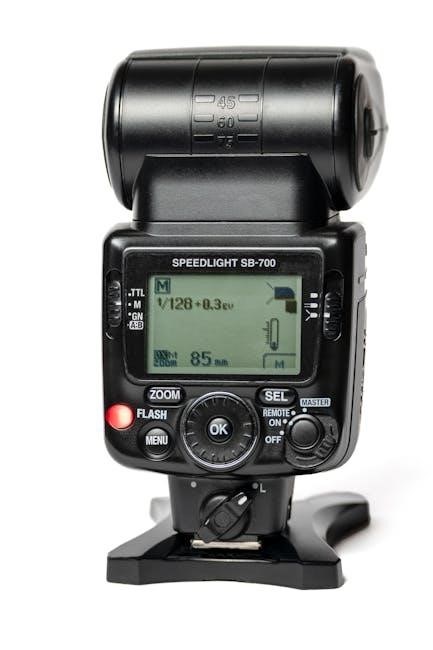
The Fluke 1507’s display provides crucial information during testing. It clearly shows the insulation resistance measurement, test voltage applied, and test duration. Important indicators alert the user to various conditions, such as low battery, voltage present, or continuity. The display range and resolution are designed for accurate readings across a wide spectrum of insulation values.

Understanding these indicators is vital for safe and effective operation. The display facilitates quick interpretation of test results, allowing technicians to promptly identify potential insulation failures. Pay close attention to any warning symbols or error messages that appear, as they indicate potential hazards or instrument malfunctions. Proper interpretation of the display ensures reliable and trustworthy measurements.

Button Functions and Controls

The Fluke 1507 features intuitive button controls for streamlined operation. Dedicated buttons allow for selecting test voltage, initiating tests, and navigating through advanced functions like Polarization Index (PI) and Dielectric Absorption Ratio (DAR) measurements. The interface is designed for ease of use, even with gloved hands.

Understanding each button’s function is crucial for accurate testing. Controls enable users to start/stop tests, hold readings, and access memory locations. Repetitive or hard-to-reach testing is simplified with the remote control option, enhancing efficiency and safety. Familiarizing yourself with these controls ensures optimal performance and minimizes errors during insulation resistance assessments.

Terminal Connections and Usage

The Fluke 1507 utilizes clearly marked terminals for connecting the test leads. Typically, ‘L’ (Line) and ‘G’ (Ground) terminals are used for applying the test voltage to the device under test. Proper connection is vital for accurate readings and operator safety. Ensure leads are securely fastened to prevent interruptions during measurement.

Connecting to the equipment requires understanding the test setup. The remote control connects for convenient operation in difficult-to-reach areas. Always disconnect power before connecting the tester to avoid damage or injury. Following these guidelines ensures reliable insulation resistance measurements and safe operation of the Fluke 1507.

Operating the Fluke 1507

The Fluke 1507 is powered on/off with a dedicated button, allowing selection of test voltage for accurate insulation resistance assessments.

Powering On and Off

To initiate operation, press the power button located on the front panel of the Fluke 1507. The device will undergo a self-test sequence, briefly displaying firmware and operational parameters on the LCD screen. Upon successful completion, the instrument is ready for testing.

To power down the Fluke 1507, simply press and hold the power button for approximately two seconds. The display will indicate a shutdown sequence before the device completely turns off. Proper shutdown conserves battery life and ensures data integrity.

Selecting Test Voltage

The Fluke 1507 allows users to select various test voltages to accommodate different insulation testing requirements. Utilize the voltage selection buttons – typically labeled with standard voltage levels (e.g., 500V, 1000V, 2500V, 5000V) – to choose the appropriate voltage for your application.

Ensure the selected voltage aligns with the insulation’s rated voltage and relevant safety standards. Incorrect voltage selection can lead to inaccurate readings or potential damage to the equipment under test.

Refer to the equipment’s documentation or consult with a qualified electrician to determine the correct test voltage. The display will clearly indicate the currently selected test voltage before initiating a measurement.

Performing Insulation Resistance Tests

To perform a test, connect the test leads appropriately – Line (L) and Guard (G) to the conductor, and Earth (E) to the ground. Ensure secure connections for accurate readings.

Press the ‘Test’ button to initiate the measurement. The Fluke 1507 will apply the selected test voltage and display the insulation resistance value on the screen;

Observe the reading for a stable value. Note the measurement units (typically MΩ or GΩ). Discharge the circuit after the test by pressing the ‘Discharge’ button to safely remove the voltage.

Test Parameters and Measurements

The Fluke 1507 offers various test voltage ranges, display resolutions, and current specifications, crucial for accurate insulation resistance assessments.

Test Voltage Ranges

The Fluke 1507 Insulation Resistance Tester provides a selection of test voltages to accommodate diverse testing requirements. These ranges are critical for evaluating insulation integrity across various electrical systems and components. The instrument allows users to select appropriate voltages, ensuring accurate and reliable measurements.

Typical voltage ranges include 50V, 100V, 250V, 500V, and 1000V, conforming to industry standards for insulation testing. Selecting the correct voltage is paramount; lower voltages are suitable for low-voltage circuits, while higher voltages are employed for high-voltage applications.

Proper voltage selection minimizes the risk of damaging the insulation under test and provides meaningful diagnostic data. Refer to relevant standards and equipment specifications to determine the appropriate test voltage for each application.

Display Range and Resolution

The Fluke 1507 features a digital display engineered for clear and precise presentation of insulation resistance measurements. The display range extends to accommodate a wide spectrum of resistance values, from very low leakage currents to extremely high insulation resistance levels.

Resolution is a key factor, enabling the detection of subtle changes in insulation condition. The instrument offers a resolution capable of displaying measurements with significant detail, aiding in accurate fault location and assessment.

The display’s range and resolution are optimized to provide users with the necessary information for effective insulation testing and maintenance, ensuring reliable performance and safety.

Test Current Specifications

The Fluke 1507 employs various test current levels to assess insulation integrity effectively. These currents, typically ranging from low to high values, are selected based on the voltage applied and the characteristics of the equipment under test.

Lower currents are suitable for sensitive electronic components, minimizing the risk of damage, while higher currents are used for robust insulation systems like cables and motors.

Precise control of test current is crucial for accurate measurements and reliable diagnosis of insulation faults. The 1507’s specifications ensure compliance with industry standards and safe testing practices.

Advanced Features and Functions

The Fluke 1507 offers Polarization Index (PI) and Dielectric Absorption Ratio (DAR) measurements, alongside remote control capabilities for efficient testing.

Polarization Index (PI) Measurement

The Polarization Index (PI) is a valuable diagnostic tool for assessing insulation quality over time. The Fluke 1507 calculates PI by dividing the insulation resistance reading taken after 10 minutes by the reading taken after 1 minute.

A higher PI value generally indicates better insulation, as it demonstrates the material’s ability to reduce leakage current. Values consistently below 1.0 suggest potential contamination or degradation.

This feature, detailed in the 1507/1503 Users Supplement (Issue 6, Part Number 2416013), allows for a more comprehensive evaluation than a simple resistance measurement alone. Regular PI testing helps predict potential insulation failures and schedule preventative maintenance effectively, ensuring reliable operation of electrical systems.

Dielectric Absorption Ratio (DAR) Measurement

The Dielectric Absorption Ratio (DAR) provides insight into the condition of insulation by measuring its response over time. The Fluke 1507 calculates DAR by dividing the insulation resistance reading after 60 seconds by the reading after 30 seconds.

A DAR value greater than 1.0 indicates good insulation, signifying minimal polarization and low dielectric loss. Lower values suggest moisture contamination or insulation degradation.

As outlined in the 1507/1503 Users Supplement (Issue 6, Part Number 2416013), DAR testing is particularly useful for identifying insulation that appears acceptable with a standard resistance test but may have hidden flaws. Consistent DAR measurements aid in proactive maintenance and prevent unexpected equipment failures.

Remote Control Operation

The Fluke 1507 supports remote control operation, enhancing testing convenience, especially for repetitive or hard-to-reach applications. This feature, highlighted in Fluke documentation, allows users to trigger tests and retrieve readings remotely, improving efficiency and safety.

While specific remote control protocols aren’t detailed in the provided snippets, the 1507/1503 Users Supplement (Part Number 2416013) indicates compatibility with external control systems. This capability is valuable for automated testing procedures and data logging.

Refer to the full Fluke 1507 manual for detailed instructions on configuring and utilizing the remote control functionality, ensuring optimal performance and integration with your testing setup.

Safety Precautions and Guidelines

Always adhere to general safety rules, voltage/current limits, and proper grounding procedures when operating the Fluke 1507, as outlined in the manual.

General Safety Rules

Before utilizing the Fluke 1507 Insulation Resistance Tester, carefully review all safety information presented within the user’s manual and this supplement (2416013). Ensure the test object is de-energized and isolated before connecting the tester. Avoid contact with live circuits; the 1507 is designed for use on non-current-carrying equipment.

Always discharge capacitance before testing to prevent unexpected voltage discharge. Use appropriate personal protective equipment (PPE), including insulated gloves and eye protection. Never operate the tester in wet or damp environments. Regularly inspect test leads for damage and replace them if necessary.

Be aware of the potential for high voltages during testing and maintain a safe working distance. Follow established safety procedures for working with electrical equipment and adhere to all applicable local and national safety codes.

Voltage and Current Limits

The Fluke 1507 is designed for insulation testing at specified voltage ranges; exceeding these limits can damage the instrument and pose a safety hazard. Maximum test voltage is dependent on the model, but always refer to the datasheet for precise specifications. Ensure the test object’s voltage rating exceeds the selected test voltage.

The tester generates high DC voltages, and exceeding current limits can lead to inaccurate readings or instrument failure. Monitor test current levels and avoid applying the tester to circuits with unknown characteristics.

Do not use the 1507 on or near flammable materials or atmospheres. Adhere to the output voltage details outlined in the technical specifications to prevent exceeding safe operating parameters.

Proper Grounding Procedures

Ensuring proper grounding is critical when using the Fluke 1507 for safety and accurate measurements. Always discharge the test object completely before connecting the tester. Connect the tester’s ground lead to a known earth ground, verifying a low-resistance connection.

Never float the ground lead; a reliable ground path is essential to prevent electric shock. Inspect grounding leads for damage before each use, replacing any frayed or damaged cables immediately.

When testing equipment connected to a power source, ensure the equipment is de-energized and properly grounded. Following these procedures minimizes the risk of hazardous voltage exposure during insulation resistance testing.

Maintenance and Calibration

Regular cleaning, proper battery replacement, and periodic calibration—following the 2005-2014 manual—ensure the Fluke 1507 maintains accuracy and reliability.

Cleaning and Storage

To maintain the Fluke 1507’s performance and longevity, regular cleaning is essential. Disconnect all test leads before cleaning. Use a damp cloth, potentially with mild soap, to wipe down the instrument’s casing.

Avoid abrasive cleaners or solvents, as these can damage the plastic components. Ensure the instrument is completely dry before reconnecting any leads or powering it on.

For storage, it’s recommended to keep the Fluke 1507 in a clean, dry environment, protected from extreme temperatures, humidity, and direct sunlight.

Consider using the original carrying case, if available, for added protection during transport and storage. Remove the batteries if the instrument will be stored for an extended period to prevent potential corrosion.

Battery Replacement

The Fluke 1507 utilizes batteries to power its operations. When the low battery indicator appears on the display, it’s time for replacement. Ensure the instrument is powered off before proceeding. Access the battery compartment, typically located on the rear panel, using a screwdriver if necessary.

Remove the old batteries, noting their correct polarity (+ and -). Install new batteries of the same type, ensuring proper alignment. Incorrect polarity can damage the instrument.

Close the battery compartment securely. The Fluke 1507 should now power on with the new batteries. Dispose of used batteries responsibly, following local regulations for battery recycling.

Calibration Procedures

Maintaining the Fluke 1507’s accuracy requires periodic calibration. This should be performed by qualified personnel using calibrated test equipment. Calibration verifies the instrument meets its published specifications for voltage and resistance measurements.

The process involves comparing the 1507’s readings against known standards across its test voltage ranges. Adjustments are made internally to correct any deviations. Calibration intervals depend on usage and environmental conditions, but annual calibration is generally recommended.

Detailed calibration procedures are outlined in the Fluke 1507 service manual, available to authorized service centers. Attempting calibration without proper training and equipment can compromise accuracy and void the warranty.

Troubleshooting Common Issues

Address display errors, connectivity problems, or measurement inaccuracies by consulting the manual; ensure proper grounding and battery function for optimal results.

Display Errors and Solutions

Encountering display errors on the Fluke 1507 requires systematic troubleshooting. First, verify the battery’s charge level, as low power can cause erratic readings or a blank screen. If the display shows “OL” (Overload), the applied test voltage may exceed the instrument’s capabilities or the insulation resistance is beyond the measurement range.

Check the test leads for damage or poor connections, as these can introduce noise and inaccurate readings. A flashing display might indicate an internal fault, necessitating calibration or repair by a qualified technician. Refer to the user’s manual (supplemented through 2014, Part Number 2416013) for specific error code definitions and recommended solutions. Ensure proper operation by reviewing the manual’s technical data section.

Connectivity Problems

Addressing connectivity issues with the Fluke 1507 often involves inspecting the test leads and terminals. Ensure secure connections at both the instrument and the device under test. Damaged or corroded leads can significantly impact measurement accuracy, requiring replacement. When utilizing the remote control operation, confirm the remote cable is properly connected and functioning—repetitive testing benefits from this feature.

Verify compatibility if connecting to external devices for data logging or control. Consult the user’s manual (supplemented through 2014, Part Number 2416013) for specific communication protocols and settings. A faulty connection can lead to incomplete data transfer or instrument malfunction.

Measurement Inaccuracies

Inaccurate readings on the Fluke 1507 can stem from several sources. Contamination on the test object’s surface, improper grounding, or fluctuating environmental conditions can all contribute to errors. Ensure the test object is clean and dry before testing. Verify correct test voltage selection, as using an inappropriate voltage range impacts results.

Refer to the technical data section of the manual (revision dates 2005-2014, Part Number 2416013) for accuracy specifications. Regularly check battery levels, as low power can affect precision. If inaccuracies persist, consider calibration—maintaining accuracy is crucial for reliable insulation resistance assessments.

Technical Specifications

The Fluke 1507’s specifications, detailed in documentation (2005-2014, 2416013), cover accuracy, output voltage, display range, resolution, and test current.

Accuracy (Model 1507)

The Fluke 1507’s accuracy is a critical performance characteristic, meticulously detailed within the official documentation, specifically the supplement released between 2005 and 2014 (Part Number 2416013). This documentation outlines the precision of measurements across various test voltage ranges. Understanding these specifications is paramount for reliable insulation resistance testing.

Accuracy is influenced by factors like test voltage, temperature, and the condition of the test leads. The manual provides detailed information regarding these influences and how to mitigate potential errors. Referencing the datasheet (available from Digi-Key and Instrumart) is crucial for interpreting the accuracy specifications correctly.

Proper calibration, as outlined in the maintenance section, is essential to maintain the stated accuracy levels.

Output Voltage Details

The Fluke 1507 Insulation Resistance Tester delivers a range of DC output voltages for conducting insulation resistance measurements, as comprehensively documented in the 2005-2014 manual supplement (Part Number 2416013). These voltages are selectable, allowing adaptation to various testing standards and equipment requirements.

The specific output voltage ranges are detailed in the technical specifications section of the manual and associated datasheets (available via Instrumart and Digi-Key). Understanding these ranges is vital for selecting the appropriate voltage for the application.

The manual also clarifies the relationship between the selected test voltage and the resulting test current, impacting measurement accuracy.

Environmental Operating Conditions

The Fluke 1507 Insulation Resistance Tester is designed for reliable operation within specified environmental limits, as detailed in the official documentation, including the 2005-2014 manual supplement (Part Number 2416013). These conditions ensure accurate measurements and instrument longevity.

Operating temperature and humidity ranges are crucial considerations. The manual outlines acceptable temperature limits for both operation and storage, preventing damage to internal components.

Furthermore, the documentation specifies altitude limitations and potential impacts of condensation or exposure to pollutants. Adhering to these guidelines, found in the datasheet, is essential for maintaining calibration and performance.


Open post

better than the movies free pdf

Discover a world of captivating stories! Explore free PDF books, often richer than their film adaptations, sourced from digital libraries like Manybooks and Standard Ebooks.

The Appeal of Book-to-Film Adaptations

The allure of watching a beloved story come to life on screen is undeniable. Film adaptations offer a visual interpretation, bringing characters and worlds into sharper focus for many. However, this translation often necessitates compromises. Nuance, internal monologue, and intricate plot details frequently get streamlined or omitted to fit the cinematic format. This is where returning to the source material – the original book – becomes incredibly rewarding.

Adaptations, while enjoyable, are inherently interpretations. They represent a director’s vision, an actor’s portrayal, and a screenwriter’s choices. The book, in contrast, provides a direct connection to the author’s intent, offering a more complete and immersive experience. Finding free PDF versions allows access to these richer narratives without financial barriers.

Why Seek Out the Source Material?

Often, books provide a depth of character development and intricate world-building that films simply cannot replicate within their runtime. Internal thoughts, subtle motivations, and complex relationships are more fully explored on the page. Reading allows for a personal interpretation, fostering a deeper connection with the story and its themes. Discovering free PDF copies unlocks these experiences.

Furthermore, the original text often contains details crucial to understanding the narrative’s core message, details frequently lost in translation to the screen. By engaging with the book, readers gain a more comprehensive appreciation for the author’s artistry and the story’s overall impact. It’s a chance to experience the story as intended.

Where to Find Free PDF Books Online

Explore vast digital libraries! Project Gutenberg, Manybooks.net, Standard Ebooks, and the Internet Archive offer free PDF downloads of classic and contemporary literature.

Project Gutenberg: A Classic Source

Founded in 1971, Project Gutenberg stands as a pioneering force in the free ebook movement. It offers over 70,000 free ebooks, primarily classic literature where U.S. copyright has expired. This makes it an invaluable resource for finding the original stories behind beloved films. Many titles “better than the movies” reside within its extensive catalog, offering readers the chance to experience narratives in their purest form.

Manybooks.net: Diverse Formats and Genres

Manybooks.net aggregates ebooks from Project Gutenberg, the Internet Archive, and other free sources, presenting them in formats optimized for modern e-readers. This includes popular options like PDF and ePub, ensuring compatibility across devices. While featuring many older titles, Manybooks boasts a surprisingly diverse range of genres, extending beyond classic literature to include fiction and non-fiction.

For those seeking books “better than the movies,” Manybooks offers a convenient platform to discover the source material. The site’s user-friendly interface and wide selection make it an excellent starting point for building a free digital library, catering to varied reading preferences and tastes.

Standard Ebooks: Quality Formatting for E-Readers

Standard Ebooks distinguishes itself by offering meticulously formatted ebooks, designed specifically for a superior reading experience on e-readers. Unlike some free ebook sources, Standard Ebooks prioritizes professional-quality typography and layout, ensuring a visually appealing and comfortable read. This dedication to quality makes it ideal for enjoying books “better than the movies” in a polished digital format.

The platform provides liberated ebooks, meaning they are free from DRM restrictions, and are available for download in formats compatible with a wide range of devices. This focus on both accessibility and aesthetics sets Standard Ebooks apart.

Internet Archive: A Digital Library of Everything

The Internet Archive is a vast digital library offering more than just books; it’s a treasure trove of historical materials, websites, music, and videos. However, its book collection is substantial, including many classic novels often considered “better than the movies.” Accessing these free PDFs is straightforward, though the formatting can vary depending on the source material.

Users can find a diverse range of titles, from literature to historical texts, making it a valuable resource for exploring source material before or after watching film adaptations. It’s a truly comprehensive digital repository.

Alternatives to Z-Library

Explore Open Library and Book Boon for free PDFs! Discover captivating reads, often superior to their film counterparts, offering diverse genres and enriching experiences.

Exploring Open Library

Open Library stands as a remarkable resource in the digital age, offering a vast collection of ebooks, many available as free PDFs. It’s a project of the Internet Archive, aiming to create a web page for every book ever published – a truly ambitious goal! For those seeking stories “better than the movies,” Open Library provides access to original source material, allowing readers to delve deeper into narratives before, or instead of, experiencing them on screen.

The platform’s strength lies in its collaborative nature; users contribute data and help improve the library’s catalog. While the availability of specific titles can vary, diligent searching often uncovers hidden gems. It’s a fantastic alternative for readers missing Z-Library, providing a legal and ethical way to access a wealth of literature, including classics and contemporary works.

Book Boon: Free Textbooks and Business Books

Book Boon distinguishes itself by offering a specialized collection of free ebooks, primarily focused on textbooks and business-related literature. While not exclusively dedicated to fiction that often inspires film adaptations, it presents a valuable resource for readers interested in the underlying knowledge and concepts explored in movies. Think of books detailing the science behind sci-fi or the economic principles driving thrillers!

The platform caters to students and professionals seeking accessible learning materials. Though its selection differs from sites like Project Gutenberg, Book Boon provides high-quality, focused content, often unavailable elsewhere for free. It’s a unique option for those wanting to expand their understanding beyond the cinematic portrayal of a subject.

Digital Bookstores (Amazon, Barnes & Noble, Kobo) ⎯ Free Sections

Major digital bookstores like Amazon, Barnes & Noble, and Kobo, while primarily known for paid ebooks, surprisingly offer substantial free sections. These often include classic literature – prime candidates for “better than the movie” comparisons – and promotional titles from independent authors. Regularly checking these sections can unearth hidden gems, offering digital versions of stories you might otherwise purchase.

The availability of free books fluctuates, so consistent browsing is key. These platforms provide convenient access and compatibility with popular e-readers. While the selection isn’t as curated as dedicated free ebook sites, the sheer volume makes them worthwhile resources for budget-conscious readers seeking source material.

Legal Considerations & Ethical Reading

Respect copyright! Prioritize public domain works or those freely licensed. Supporting authors through legitimate purchases ensures continued storytelling and creative endeavors.

Understanding Copyright and Public Domain

Navigating legal access to free PDF books requires understanding copyright law. Generally, works published before 1928 are in the public domain in the United States, meaning they are free to download and distribute. Copyright protects authors’ rights for a specific period, typically the author’s lifetime plus 70 years.

Downloading copyrighted material without permission is illegal. Websites like Project Gutenberg and Standard Ebooks specialize in offering books where copyright has expired or authors have granted permission for free distribution. Always verify the source’s legitimacy and ensure the book is legally available before downloading. Ethical reading involves respecting intellectual property rights and supporting authors whenever possible.

Supporting Authors and Publishers

While enjoying free PDF books is appealing, consider supporting authors and publishers when possible. Authors rely on book sales for their livelihood, enabling them to continue creating compelling stories. Purchasing books, even after reading a free version, is a direct way to show appreciation for their work.

Explore options like borrowing from libraries, purchasing ebooks from legitimate retailers like Amazon or Kobo, or directly supporting authors through platforms like Patreon. Remember that the availability of free books often relies on authors choosing to share their work or copyright expiration. Contributing financially ensures a vibrant literary ecosystem.

Specific Genres “Better Than the Movies”

Delve into Science Fiction, Fantasy, Mystery, Thriller, and Historical Fiction – genres frequently enhanced by the depth and detail found within their original book form.

Science Fiction & Fantasy

Explore expansive universes and intricate magic systems often simplified on screen. Many science fiction and fantasy novels offer world-building and character development exceeding film adaptations. Project Gutenberg and Manybooks.net provide access to classic titles, while Standard Ebooks delivers beautifully formatted versions for immersive reading. Discover authors whose visions are truly brought to life through the written word, experiencing nuances lost in translation to the visual medium. From epic space operas to enchanting tales of mythical realms, free PDFs unlock a treasure trove of imaginative storytelling. Don’t just watch the adventure; live it through the original narrative!

Mystery & Thriller

Delve into intricate plots and psychological suspense often diluted in film adaptations. Free PDF books in the mystery and thriller genres allow for a deeper engagement with clues and red herrings. Platforms like Internet Archive and Open Library host a wealth of classic and contemporary titles. Experience the thrill of unraveling secrets at your own pace, noticing subtle details easily missed on screen. The internal monologue of detectives and the mounting tension are best experienced through the author’s prose. Discover narratives where the journey of deduction is as rewarding as the final reveal – a truly immersive experience!

Historical Fiction

Immerse yourself in meticulously researched worlds often simplified for cinematic effect. Free PDF historical fiction offers nuanced portrayals of past eras, exploring societal complexities and individual struggles with greater depth. Project Gutenberg and Standard Ebooks provide access to timeless classics and lesser-known gems. Experience history through the eyes of compelling characters, unburdened by the constraints of screen time. Discover intricate political landscapes and cultural details that enrich the narrative. These books allow for a slower, more contemplative engagement with the past, fostering a deeper understanding of historical events and their impact.

Literary Classics

Unlock the profound beauty of literary masterpieces, often diminished in film adaptations. Free PDF versions of classics from Project Gutenberg and Internet Archive allow for intimate engagement with original prose and complex themes. Experience the full weight of authors’ stylistic choices and character development, unedited for pacing or visual appeal. Delve into intricate symbolism and philosophical explorations often glossed over on screen; These timeless stories offer enduring insights into the human condition, rewarding careful reading and reflection. Rediscover the power of language and narrative, appreciating the artistry that defines these foundational works of literature.

Optimizing Your PDF Reading Experience

Enhance your digital reading! Adjust font sizes, layouts, and utilize search functions within your chosen PDF reader for comfortable, immersive enjoyment of free books.

Choosing the Right PDF Reader

Selecting the ideal PDF reader significantly impacts your enjoyment of free digital books. Adobe Acrobat Reader remains a popular, reliable choice, offering comprehensive features and broad compatibility. However, numerous alternatives cater to diverse needs. Foxit Reader provides a lightweight, faster experience, while SumatraPDF excels in simplicity and speed, perfect for focused reading.

Consider features like annotation tools for note-taking, text highlighting, and form-filling if you plan to actively engage with the text. Compatibility with your operating system (Windows, macOS, Linux) and device (computer, tablet, smartphone) is also crucial. Some readers offer cloud integration, allowing seamless synchronization across devices. Ultimately, the “best” reader depends on your individual preferences and reading style, ensuring a smooth and pleasurable experience with your “better than the movies” finds.

Adjusting Font Size and Layout

Optimizing the visual presentation of your PDF ebooks is key to comfortable reading. Most PDF readers allow you to easily adjust font size, catering to individual eyesight and preferences. Experiment with different sizes to find what feels most natural and reduces eye strain during extended reading sessions of those “better than the movies” novels.

Beyond font size, explore layout options. Adjust margins, enable or disable two-page view, and utilize features like reflowing text to adapt the content to your screen. Some readers offer customizable color themes, allowing you to switch to dark mode for reduced glare. These adjustments transform the reading experience, making those free PDF books truly enjoyable and accessible.

Utilizing Search Functions

Mastering the search function within your PDF reader unlocks a powerful tool for navigating lengthy ebooks, especially when exploring complex narratives “better than the movies.” Quickly locate specific characters, plot points, or memorable quotes without manually scrolling through pages. This feature is invaluable when revisiting favorite passages or researching specific details within the text.

Advanced search options often include case sensitivity and whole-word matching, refining your results for precision. Utilize search to cross-reference information, analyze themes, or simply jump to a specific chapter. Efficiently finding key elements enhances comprehension and allows you to fully appreciate the nuances of the original story, often lost in adaptation.

Downloading and Managing PDFs

Organize your growing digital library effectively! Create folders, rename files, and consider converting formats for optimal reading on various devices and platforms.

Organizing Your Digital Library

Maintaining a well-structured digital library is crucial when downloading numerous free PDF books. Begin by creating a logical folder system, perhaps categorized by genre – Science Fiction, Mystery, Historical Fiction, and Literary Classics are excellent starting points. Within each genre, you could further organize by author or series. Consistent file naming is also key; include the author’s name and book title for easy identification.

Consider utilizing a dedicated ebook management software to catalog your collection, add metadata (tags, ratings), and streamline searching. Regularly back up your digital library to an external drive or cloud storage to prevent data loss. A tidy library enhances your reading experience, allowing you to quickly locate and enjoy those books “better than the movies!”

Converting File Formats (if needed)

While many free PDF books are readily available, you might encounter files incompatible with your preferred e-reader. Fortunately, numerous free online tools and software programs facilitate file format conversion. Calibre, a popular ebook management tool, excels at converting between formats like PDF, EPUB, and MOBI. Online converters offer a quick solution for single files, though be mindful of file size limitations and potential privacy concerns.

EPUB is often preferred for its reflowable text, adapting to different screen sizes. If your e-reader supports it, converting from PDF to EPUB can significantly improve readability. Ensure the conversion process maintains formatting integrity, especially for books “better than the movies” with intricate layouts.

The Benefits of Reading Before Watching

Immerse yourself fully! Reading the book first enhances comprehension, fosters critical thinking, and allows for a deeper appreciation of stories “better than the movies.”

Enhanced Comprehension and Appreciation

Delving into the source material – the book – before experiencing a film adaptation unlocks a richer, more nuanced understanding of the narrative. Movies, by necessity, often condense plots, streamline characters, and alter details. Reading the complete work allows you to grasp the author’s original intent, appreciate subtle themes, and fully comprehend the complexities often lost in translation to the screen.

This pre-emptive reading fosters a deeper appreciation for the artistry of both mediums. You’ll notice directorial choices, understand why certain scenes were omitted, and critically evaluate how the film interprets the book’s core message. Ultimately, experiencing the story in its original form elevates your enjoyment and provides a more fulfilling engagement with the narrative, especially for stories “better than the movies.”

Developing Critical Thinking Skills

Engaging with a book before watching its film adaptation actively cultivates critical thinking. Readers are compelled to visualize settings, interpret character motivations, and analyze plot developments independently, forming their own interpretations. This contrasts sharply with the passive reception of a film, where visuals and sound largely dictate understanding.

Comparing and contrasting the book and movie then becomes a valuable exercise in analytical thought. You’ll question directorial decisions, assess the effectiveness of adaptations, and evaluate how different mediums convey the same story; This process sharpens your ability to discern nuance, identify bias, and form well-reasoned opinions – skills beneficial far beyond simply enjoying stories “better than the movies.”

Staying Updated on Free Book Resources

Follow book blogs and utilize social media for recommendations on free PDF books, discovering hidden gems and staying informed about new digital library offerings.

Following Book Blogs and Websites

Staying current with the ever-changing landscape of free digital books requires dedicated effort. Numerous book blogs and websites specialize in curating lists of available ebooks, often highlighting those “better than the movies.” These resources frequently announce new additions to platforms like Project Gutenberg, Manybooks.net, and Standard Ebooks;

Dedicated sites often review the quality of formatting and content, ensuring a pleasant reading experience; They also alert readers to temporary free promotions on platforms like Amazon, Barnes & Noble, and Kobo. Regularly checking these sources can unveil hidden literary treasures and provide timely updates on the best free PDF books available, expanding your reading horizons without financial strain.

Utilizing Social Media for Book Recommendations

Social media platforms have become vibrant hubs for book lovers seeking recommendations, particularly for titles exceeding their film counterparts. Dedicated groups and hashtags – like #freeebooks or #betterthanthemovie – connect readers with shared interests and curated lists of free PDF books.

Platforms like Twitter, Facebook, and Goodreads are excellent for discovering hidden gems and participating in discussions about books adapted into films. Influencers and book bloggers frequently share links to free ebooks from sources like Project Gutenberg and Internet Archive, offering a convenient way to stay informed and expand your reading list.

The Future of Free Digital Books

Digital libraries and emerging platforms will expand access to free PDF books, enhancing the reading experience and preserving literary works for future generations.

The Role of Libraries in the Digital Age

Libraries are evolving beyond physical spaces, becoming vital hubs for accessing free digital books, including those “better than the movies.” They’re actively digitizing collections and partnering with platforms like the Internet Archive and Project Gutenberg to offer wider access. This ensures equitable access to literature, regardless of socioeconomic status.

Furthermore, libraries are instrumental in preserving digital content, combating the ephemeral nature of online resources. They champion copyright and public domain understanding, guiding readers toward legal and ethical reading practices. Libraries also provide crucial digital literacy training, helping patrons navigate online libraries and optimize their PDF reading experiences. Their role is paramount in fostering a thriving, accessible literary landscape in the digital age.

Emerging Platforms and Technologies

The future of free digital books hinges on innovative platforms and technologies. Blockchain could offer secure, transparent systems for authors to distribute work directly, bypassing traditional publishers. AI-powered search engines will refine discovery, connecting readers with “better than the movies” adaptations.

Advancements in e-reader technology, like improved e-ink displays and adjustable font settings, will enhance the reading experience. Simultaneously, collaborative digital libraries, built on open-source principles, promise expanded collections. These developments, coupled with increased internet accessibility, will democratize access to literature, ensuring a vibrant future for free PDF books and enriching the reading experience for all.

Open post

kanakadhara stotram in english pdf

Kanakadhara Stotram, available as a PDF, is a revered hymn praising Goddess Lakshmi. It’s a powerful text for prosperity, readily accessible online for study.

This stotram, composed by Adi Shankaracharya, is widely recited and offers spiritual and material benefits to devotees seeking divine grace.

Numerous resources provide the lyrics and meaning in English, aiding understanding and facilitating devotional practice for all seekers.

Historical Background and Origin

Kanakadhara Stotram’s origins trace back to the 8th century CE, specifically linked to the life of Adi Shankaracharya. Legend narrates his encounter with a destitute woman in Varanasi, seeking alms. Unable to offer material wealth, Shankaracharya spontaneously composed this hymn dedicated to Goddess Lakshmi, imploring her blessings.

As he recited the stotram, golden amla fruits (Indian gooseberries) showered down, fulfilling the woman’s needs and demonstrating the Goddess’s immediate response to sincere devotion. This miraculous event cemented the stotram’s reputation as a powerful invocation for prosperity.

The PDF versions circulating today are based on ancient manuscripts, preserving the original Sanskrit verses. Its enduring popularity stems from its accessibility and the belief in Lakshmi’s compassionate nature, making it a cornerstone of Hindu devotional practice.

The Poet – Adi Shankaracharya

Adi Shankaracharya (788-820 CE) was a highly influential Indian philosopher and theologian who consolidated the doctrine of Advaita Vedanta. Revered as a profound spiritual teacher, he travelled extensively across India, establishing monasteries – mathas – and revitalizing Hinduism.

His compositions, including the Kanakadhara Stotram, are celebrated for their poetic beauty and spiritual depth. The stotram exemplifies his mastery of Sanskrit and his devotion to Goddess Lakshmi. Many PDF versions available online showcase the verses in their original form.

Shankaracharya’s intent wasn’t merely to seek material wealth, but to demonstrate the power of sincere devotion and the Goddess’s accessibility to all, regardless of circumstance. His legacy continues to inspire millions worldwide.

Significance and Benefits of Recitation

Reciting the Kanakadhara Stotram is believed to invoke Goddess Lakshmi’s blessings, leading to prosperity, abundance, and spiritual growth. Devotees often seek relief from financial difficulties and obstacles through consistent practice.

The stotram’s power lies in its sincere praise and devotion, creating a positive energetic vibration. Accessing the text as a PDF allows for convenient and regular recitation. It’s considered particularly potent when chanted with focused intention.

Beyond material benefits, the stotram fosters inner peace, contentment, and a deeper connection with the divine feminine. Regular recitation cultivates gratitude and strengthens faith, promoting overall well-being.

The Stotram: Text and Translation

Kanakadhara Stotram’s Sanskrit text, alongside English translations and transliterations, is widely available as a downloadable PDF for devotional study.

Sanskrit Text – Complete Stotram

The complete Kanakadhara Stotram in Devanagari script is readily accessible in numerous online resources and PDF documents. These digital versions ensure accurate preservation and easy access for devotees worldwide. The stotram consists of a series of verses, each a powerful invocation to Goddess Lakshmi.

Many PDFs offer the text alongside transliteration in Roman script, aiding pronunciation for those unfamiliar with Sanskrit. The verses begin with invocations and proceed to describe the Goddess’s beauty, compassion, and the blessings she bestows. The full text, often found within downloadable PDFs, allows for dedicated study and recitation.

Devotees can find versions ranging from the standard compilation to the 25-shloka version, ensuring a suitable format for individual practice. Accessing the complete Sanskrit text is the first step towards understanding and experiencing the stotram’s profound benefits.

English Translation – Verse by Verse

Numerous resources, often accompanying the Sanskrit text in PDF format, provide detailed English translations of the Kanakadhara Stotram, verse by verse. These translations illuminate the profound meaning embedded within each shloka, making the stotram accessible to a wider audience.

The translations explain Adi Shankaracharya’s poetic expressions, revealing the depth of his devotion to Goddess Lakshmi. Understanding the nuances of each verse enhances the recitation experience and fosters a deeper connection with the deity. Many PDFs present the Sanskrit, transliteration, and English translation side-by-side for easy comparison.

These verse-by-verse interpretations clarify the symbolism and philosophical underpinnings of the stotram, unlocking its transformative potential for practitioners. Accurate translations are crucial for proper understanding and effective chanting.

Transliteration – Roman Script

Many Kanakadhara Stotram resources, including those available as a PDF download, include a transliteration of the Sanskrit verses into the Roman script. This is incredibly helpful for those unfamiliar with Devanagari, the script in which the stotram is originally written.

The transliteration allows individuals to accurately pronounce the mantras, even without prior knowledge of Sanskrit. This phonetic representation bridges the gap, enabling wider participation in the recitation. PDF versions often present the Sanskrit, transliteration, and English translation in a convenient, comparative format.

Correct pronunciation is vital in mantra practice, and the Roman script transliteration serves as a valuable guide. It facilitates learning and ensures the stotram is chanted with precision and devotion.

Understanding the Deities and Symbolism

Kanakadhara Stotram, often found in PDF format, centers on Goddess Lakshmi and Lord Hari. It explores wealth’s symbolism and divine blessings.

Goddess Lakshmi – The Goddess of Wealth

Lakshmi, central to the Kanakadhara Stotram – frequently available as a downloadable PDF – embodies prosperity, abundance, and auspiciousness in Hindu tradition. She isn’t merely a goddess of material wealth, but also represents spiritual fulfillment and inner peace. The stotram beautifully describes her radiant beauty and compassionate nature, highlighting her role as the consort of Lord Vishnu and the mother of the universe.

Reciting the Kanakadhara Stotram is believed to invoke Lakshmi’s blessings, attracting not only financial stability but also wisdom, good fortune, and overall well-being. The English translations and explanations found alongside the PDF versions emphasize her power to remove obstacles and grant success in all endeavors. She is depicted adorned with gold, symbolizing the radiant energy and transformative power she bestows upon her devotees.

Lord Hari (Vishnu) – The Divine Consort

Lord Hari, or Vishnu, the divine consort of Goddess Lakshmi, is integral to the essence of the Kanakadhara Stotram, often found in PDF format for convenient study. He represents preservation and cosmic order, complementing Lakshmi’s energy of creation and abundance. The stotram implicitly acknowledges Vishnu’s presence, recognizing the harmonious balance between masculine and feminine divine principles.

Understanding Vishnu’s role enhances the appreciation of Lakshmi’s blessings, as their union signifies complete fulfillment. Many English translations of the Kanakadhara Stotram, accompanying the PDF, highlight this divine partnership. Recitation is believed to please both deities, fostering spiritual growth and material prosperity. Vishnu’s unwavering devotion to Lakshmi exemplifies ideal love and commitment, inspiring devotees on their own paths.

Symbolism of Gold (Kanakadhara)

The term “Kanakadhara” itself, central to the stotram readily available as a PDF, signifies a shower of gold. This isn’t merely about material wealth, but represents a deeper spiritual transformation. Gold symbolizes purity, enlightenment, and the radiant glow of divine consciousness. The Kanakadhara Stotram, with its English translations, illustrates how Lakshmi’s blessings manifest as inner richness.

This golden shower represents the dissolution of ignorance and the awakening of wisdom. It’s a metaphor for receiving divine grace, leading to prosperity on all levels. Studying the stotram in PDF format reveals how Adi Shankaracharya uses this imagery to convey profound spiritual truths. The golden aspect also symbolizes the sun, vital energy, and immortality, enhancing the stotram’s potency.

Detailed Analysis of Key Verses

Kanakadhara Stotram, found in PDF form, contains verses rich in symbolism. Analyzing these reveals Adi Shankaracharya’s poetic genius and devotional depth, offering profound insights.

Verse 1: Initial Invocation and Praise

Kanakadhara Stotram’s opening verse, readily available in PDF versions, serves as a reverent invocation to Goddess Lakshmi. It begins with “angaṃ hareḥ pulaka bhūṣaṇa māśrayantī,” describing the Goddess residing on Lord Hari (Vishnu). This initial shloka establishes the divine context, portraying Lakshmi as adorned with the delightful thrill of Lord Hari’s presence.

The verse praises her as the refuge of those seeking solace and prosperity. It highlights her association with auspiciousness and beauty, setting the tone for the entire stotram. The imagery evokes a sense of divine grace and accessibility, inviting devotees to connect with the Goddess through heartfelt devotion. Understanding this verse, often found with English translations in PDFs, is crucial for appreciating the stotram’s overall message.

Verse 5: Description of Lakshmi’s Beauty

Verse 5 of the Kanakadhara Stotram, frequently found in PDF formats with English translations, offers a vivid depiction of Goddess Lakshmi’s captivating beauty. The verse describes her face resembling the full moon, her eyes like a blooming lotus, and her smile radiating divine grace. It emphasizes her radiant complexion and the enchanting allure of her lips, likened to the color of coral.

This shloka paints a picture of ethereal loveliness, highlighting Lakshmi’s power to captivate the hearts of devotees. The detailed imagery, easily accessible in online PDFs, evokes a sense of awe and reverence. It’s a poetic tribute to the Goddess’s splendor, inspiring devotion and a longing for her blessings.

Verse 10: Seeking Blessings for Prosperity

Verse 10 of the Kanakadhara Stotram, commonly available as a downloadable PDF with English translations, is a direct appeal to Goddess Lakshmi for material and spiritual abundance. The devotee humbly requests the Goddess to bestow wealth and prosperity, acknowledging her power to fulfill desires. This verse, often studied through online resources and PDF documents, emphasizes the importance of sincere devotion.

It’s a heartfelt plea for Lakshmi’s grace, seeking not just financial gain, but also inner peace and contentment. The verse highlights the devotee’s surrender and faith in the Goddess’s benevolent nature. Many PDF versions include detailed explanations of the verse’s significance, aiding understanding and enhancing the recitation experience.

Practical Aspects of Recitation

Kanakadhara Stotram, found in PDF format, benefits from correct pronunciation. Optimal recitation times and japa counts enhance its power and spiritual impact.

Correct Pronunciation and Chanting

Kanakadhara Stotram, often accessed as a PDF, demands careful attention to pronunciation for maximum efficacy. Sanskrit sounds are nuanced; accurate articulation unlocks the hymn’s inherent power.

Resources offering audio recitations alongside the English translation are invaluable. Listening to a knowledgeable chanter helps internalize the correct phonetics and rhythm. Pay close attention to the ‘anuswara’ and ‘visarga’ sounds, crucial for maintaining the stotram’s sanctity.

Chanting should be clear, deliberate, and imbued with devotion. While speed isn’t paramount, maintaining a consistent pace aids concentration. A peaceful environment free from distractions is also recommended. Consistent, mindful practice, guided by a PDF or online resource, amplifies the benefits of this sacred hymn.

Optimal Time for Recitation

Reciting the Kanakadhara Stotram, readily available as a PDF download, yields greater benefits when performed at specific times. Dawn (Brahma Muhurta), between 4:00 AM and 6:00 AM, is considered highly auspicious, fostering clarity and spiritual receptivity.

Evening, particularly during the Lakshmi Puja time, is also favorable. Fridays, dedicated to Goddess Lakshmi, amplify the stotram’s potency. Aligning recitation with these times enhances the connection with the divine energy.

However, consistency is key. Even if optimal times aren’t always feasible, regular recitation, guided by a PDF or online resource, is more impactful than sporadic attempts. A sincere heart and devotion are paramount, regardless of the hour.

Number of Recitations (Japa)

The number of times to recite the Kanakadhara Stotram, easily found as a PDF, depends on individual capacity and intention. A minimum of three repetitions is generally recommended for basic benefits. However, practitioners often opt for nine, eleven, or twenty-one recitations.

For significant desires or to address specific challenges, completing 108 recitations (one mala) is considered highly potent. This practice, known as Japa, intensifies the stotram’s energy and accelerates results.

Consistency is vital; regular, smaller Japas are more effective than infrequent, large ones. Utilizing a PDF for accurate pronunciation during Japa ensures proper channeling of the stotram’s divine vibrations.

Resources and Downloads

Numerous websites offer the Kanakadhara Stotram in English as a readily available PDF. Online lyrics and apps further enhance learning and recitation.

Kanakadhara Stotram PDF Download

Kanakadhara Stotram is conveniently accessible as a PDF download from several reputable online sources. SVBC provides a 25-shloka version, encompassing the complete stotram with additional verses and a concluding phalashruti (benefit declaration).

These PDF files typically include the Sanskrit text, transliteration in Roman script, and a detailed English translation, making it ideal for both beginners and experienced practitioners. Downloading the PDF allows for offline study and convenient recitation.

Other websites also host downloadable PDFs, offering variations in formatting and translation styles. Searching for “Kanakadhara Stotram English PDF” will yield a variety of options to suit individual preferences. Ensure the source is trustworthy to guarantee accuracy and authenticity of the text.

Online Resources for Lyrics and Meaning

Numerous websites offer the Kanakadhara Stotram lyrics alongside detailed English translations. Strumm Spiritual provides a version with lyrics and meaning, featuring a recitation by Uthara Unnikrishnan. These resources are invaluable for understanding the stotram’s profound message.

Many platforms also host the text in various formats, including easily downloadable PDFs. Searching online reveals sites dedicated to Hindu scriptures, offering both the Sanskrit text and Roman transliteration.

Furthermore, several apps are available for learning and reciting the stotram, often including audio pronunciations and explanations. These online resources democratize access to this powerful hymn, fostering devotion and spiritual growth for practitioners worldwide.

Apps for Learning and Recitation

Several mobile applications cater to devotees seeking to learn and recite the Kanakadhara Stotram. These apps often feature the Sanskrit lyrics, English translations, and Roman transliteration, facilitating comprehension for diverse learners.

Many include high-quality audio recitations, aiding in correct pronunciation and fostering a deeper connection with the hymn. Some apps offer features like looping, offline access, and customizable fonts for enhanced usability.

Users can readily find PDF versions of the stotram within these apps or linked from their resources. These digital tools provide a convenient and accessible way to integrate this powerful practice into daily life, promoting spiritual well-being.

Variations and Different Versions

Kanakadhara Stotram exists in a 25-shloka version, often found as a PDF, alongside shorter recitations commonly practiced by devotees for ease of learning.

25 Shloka Version

The most complete and widely recognized form of the Kanakadhara Stotram comprises 25 shlokas (verses). This extended version, frequently available as a PDF download from sources like SVBC, includes the foundational verses attributed directly to Adi Shankaracharya, alongside supplementary stanzas.

These additions encompass three namostu shlokas – invocations offering reverence – and three extra verses focusing on bilvatavi, kamalasana, and ambhoruham, enriching the hymn’s devotional depth. Finally, a phalashruti shloka concludes the stotram, detailing the benefits accrued through sincere recitation.

Devotees often prefer this 25-shloka version for its comprehensive praise of Goddess Lakshmi and Lord Hari, believing it maximizes the potential for blessings and prosperity. Finding a reliable PDF ensures accurate recitation and understanding of the complete hymn.

Shorter Versions and Common Recitations

While the 25-shloka version is complete, shorter recitations of the Kanakadhara Stotram are also prevalent. Many devotees opt for reciting the core verses – often the first ten or twelve shlokas – due to time constraints or personal preference. These condensed versions, easily found as a PDF, still retain the stotram’s essential power.

Commonly, individuals focus on verses particularly resonant with their needs, such as those describing Lakshmi’s beauty or invoking blessings for wealth. These selective recitations are considered effective, offering focused benefits.

Despite variations, the complete PDF version remains a valuable resource for understanding the full scope of the stotram. Accessibility and ease of learning contribute to its widespread practice, even in abbreviated forms.

Impact and Cultural Relevance

Kanakadhara Stotram deeply influences Hindu traditions, inspiring art and literature. Its PDF versions ensure continued accessibility and devotional practice for many.

Kanakadhara Stotram in Hindu Traditions

Kanakadhara Stotram holds a significant place within Hindu traditions, particularly those focused on Lakshmi worship and seeking prosperity. The stotram’s recitation is deeply embedded in daily puja (worship) routines for many families, often performed to invoke blessings of wealth and well-being.

The availability of the stotram in PDF format has greatly expanded its reach, allowing wider access for devotees globally. It’s frequently used during special occasions like Diwali, Varalakshmi Vrata, and other Lakshmi-centric festivals. Many temples dedicated to Lakshmi incorporate the stotram into their ritualistic practices.

Furthermore, the stotram’s verses are believed to possess the power to remove financial obstacles and bestow abundance, making it a cherished practice among those seeking economic stability and spiritual growth. Its enduring popularity demonstrates its profound cultural relevance within the Hindu faith.

Influence on Art and Literature

The Kanakadhara Stotram, widely accessible as a PDF, has subtly yet profoundly influenced Hindu art and literature for centuries. Its imagery of Goddess Lakshmi, radiant and benevolent, frequently appears in paintings, sculptures, and traditional artistic depictions. The stotram’s verses inspire creative interpretations, often portraying scenes of abundance and divine grace.

Literary works, particularly devotional poetry and prose, often allude to the stotram’s themes of prosperity and Lakshmi’s blessings. The stotram’s elegant Sanskrit verses have been adapted and incorporated into various musical compositions and devotional songs.

Artists and writers draw inspiration from the stotram’s evocative language, creating works that celebrate the divine feminine and the pursuit of both material and spiritual wealth, solidifying its cultural impact.

Modern Relevance and Practice

Despite its ancient origins, the Kanakadhara Stotram, easily found as a PDF online, remains remarkably relevant in modern practice. Many individuals continue to recite it daily, seeking Lakshmi’s blessings for financial stability and overall well-being. The availability of English translations and transliterations enhances accessibility for a wider audience.

Digital resources, including apps and online platforms, facilitate learning and chanting. The stotram’s message of seeking prosperity with devotion resonates with contemporary aspirations. It’s often incorporated into Lakshmi Puja ceremonies and other Hindu rituals.

Its enduring popularity demonstrates a continued need for spiritual guidance and a belief in the power of divine intervention in achieving worldly success.

Open post

manual freestyle lite

Manual Freestyle Lite: A Comprehensive Guide (Updated 03/06/2026)

Today’s date is 03/06/2026 09:44:39. Unfortunately, a detailed description is currently unavailable due to website restrictions, hindering a complete overview.

What is Manual Freestyle Lite?

Manual Freestyle Lite represents a unique approach to data handling and reporting, though a comprehensive definition remains elusive due to current informational constraints. Essentially, it appears to be a system designed for customized data manipulation, prioritizing user control over automated processes. The “Manual” aspect suggests a hands-on methodology, requiring direct user intervention for key tasks.

The “Freestyle” component hints at flexibility and adaptability, allowing users to tailor the system to specific needs. “Lite” likely indicates a streamlined version, potentially focusing on core functionalities and ease of use. Despite limited publicly available details, it’s reasonable to infer that Manual Freestyle Lite serves as a tool for generating insights from data, albeit through a deliberately manual and customizable process. Further exploration is needed to fully grasp its capabilities.

The Core Philosophy of Manual Freestyle Lite

Given the limited information available, the core philosophy of Manual Freestyle Lite appears centered around empowering the user with granular control and adaptability. The emphasis on “Manual” suggests a rejection of overly automated systems, prioritizing human oversight and judgment in data processing. This implies a belief that nuanced understanding requires direct engagement with the data itself.

The “Freestyle” element likely embodies a commitment to flexibility, allowing users to circumvent rigid structures and tailor the system to their unique analytical needs. The “Lite” designation potentially reflects a minimalist approach, focusing on essential functionalities and avoiding unnecessary complexity. Ultimately, the philosophy seems to value deliberate, customized data exploration over rapid, automated reporting, fostering deeper insights through focused user interaction.

Historical Development of Manual Freestyle Lite

Unfortunately, detailed historical records regarding Manual Freestyle Lite are currently inaccessible. The limited information available prevents a comprehensive tracing of its origins and evolution. It’s plausible that the system emerged from a need for bespoke data handling solutions, filling a gap left by more generalized software packages.

Perhaps it began as an internal tool within a specific organization, gradually refined and expanded based on practical application and user feedback. The “Lite” designation might indicate a streamlining process, evolving from a more complex predecessor. Without concrete data, speculation suggests a development path driven by user demand for manual control and adaptable functionality, prioritizing precision over automation in a specific analytical context.

Getting Started with Manual Freestyle Lite

Embarking on your journey with Manual Freestyle Lite requires preparation and understanding. Initial setup and familiarization are crucial for effective utilization of its features.

Prerequisites & Required Tools

Before diving into Manual Freestyle Lite, ensure you possess the foundational elements for a smooth experience. While the system aims for accessibility, certain prerequisites enhance usability. A standard computer operating system – Windows, macOS, or Linux – is essential.

Specifically, a text editor is vital for crafting and modifying configurations. Although not strictly required, familiarity with basic command-line interfaces proves beneficial for advanced operations. No specialized hardware is typically needed; however, a reliable internet connection facilitates access to documentation and community support.

Furthermore, a foundational understanding of data structures and logical thinking will significantly accelerate your learning curve. Finally, patience and a willingness to experiment are arguably the most important tools of all, as Manual Freestyle Lite encourages exploration and customization.

Setting Up Your Environment

Establishing a functional environment for Manual Freestyle Lite is remarkably straightforward, prioritizing simplicity and user control. Begin by creating a dedicated directory to house all related files – configurations, data inputs, and generated reports. This organizational step prevents clutter and streamlines future management.

Next, download the core Manual Freestyle Lite package from the official source (availability may vary, check community forums). Extract the contents into your designated directory. No complex installation procedures are necessary; the system operates directly from the extracted files.

Finally, verify that your chosen text editor can access and modify files within this directory. Consider setting appropriate permissions to ensure data security and integrity. A clean, organized setup is the cornerstone of efficient workflow.

Basic Syntax and Commands

Manual Freestyle Lite’s command structure emphasizes clarity and direct manipulation. While lacking a traditional scripting language, it relies on specific keyword sequences within data input files. These keywords trigger actions like data filtering, sorting, and report formatting.

Fundamental commands include “INPUT,” designating the source data file; “FILTER,” specifying criteria for data selection; and “OUTPUT,” defining the report’s destination and format. Parameters follow each command, enclosed in quotation marks. For example: “FILTER “Value” > 100” selects data where the “Value” field exceeds 100.

Understanding these core commands and their parameters is crucial. Experimentation and careful observation of output are key to mastering the system’s capabilities. Detailed command references are available within the community forums.

Key Features and Functionality

Manual Freestyle Lite excels at data handling, report creation, and offers extensive customization. Its core strength lies in flexible, user-defined processes.

Data Input and Management

Manual Freestyle Lite prioritizes user control over data ingestion and organization. Unlike automated systems, it relies on direct, manual entry, fostering a deep understanding of the information itself. This approach allows for meticulous validation at each stage, minimizing errors often associated with automated imports.

Data can be entered through a streamlined interface, supporting various formats like text, numbers, and dates. Management features include robust sorting, filtering, and searching capabilities, enabling users to quickly locate specific data points. The system doesn’t impose rigid schemas; instead, it adapts to the user’s evolving needs, offering unparalleled flexibility.

While lacking automated import features, this manual process ensures data accuracy and provides a unique level of control, crucial for sensitive or complex datasets where precision is paramount. It’s a deliberate design choice emphasizing quality over speed.

Report Generation Capabilities

Manual Freestyle Lite excels in crafting highly customized reports, despite its manual nature. The system doesn’t offer pre-built templates; instead, users define report structures from scratch, selecting specific data fields and arranging them according to their precise requirements. This granular control ensures reports perfectly align with intended audiences and analytical goals.

Report generation involves manually compiling data, formatting it, and exporting it to common formats like text or CSV. While time-consuming, this process fosters a thorough understanding of the underlying data. Users can incorporate calculations and summaries directly within the report creation workflow.

The lack of automation encourages thoughtful report design, prioritizing clarity and relevance. It’s ideal for situations demanding bespoke reporting solutions where standardized templates fall short.

Customization Options & Configuration

Manual Freestyle Lite’s strength lies in its extreme configurability, born from its fundamentally manual approach. Unlike automated systems, there are no pre-defined settings to adjust. Configuration is the process of defining everything from data field mappings to report layouts, entirely by hand.

Users dictate how data is interpreted, formatted, and presented. This extends to defining custom calculations and data validation rules. The system’s flexibility allows adaptation to virtually any data structure or reporting need. However, this demands significant user effort and meticulous attention to detail.

Essentially, the “configuration” is the user’s documented process. There’s no software interface; it’s a procedural setup. This makes it uniquely adaptable, but also reliant on consistent human execution.

Advanced Techniques in Manual Freestyle Lite

Mastering Manual Freestyle Lite requires exceptional diligence and procedural expertise. Advanced users excel at streamlining repetitive tasks through detailed documentation and precise execution.

Utilizing Macros for Automation

Manual Freestyle Lite, despite its name, benefits significantly from strategic automation. While inherently a hands-on system, the careful implementation of macros can dramatically reduce repetitive strain and improve overall efficiency. These macros aren’t pre-built; instead, they are sequences of meticulously documented steps, essentially checklists, that users create to standardize common procedures.

Developing effective macros demands a thorough understanding of the workflow. Each step must be clearly defined and consistently applied. Think of them as personalized shortcuts, tailored to specific tasks within the Manual Freestyle Lite environment. Successful macro creation relies on detailed observation and a commitment to precision, ensuring accuracy and minimizing potential errors. Regular review and refinement of these macros are crucial for maintaining optimal performance and adapting to evolving needs.

Integrating with Other Systems

Manual Freestyle Lite, by design, presents unique challenges when attempting integration with other digital systems. Its core principle revolves around manual processes, creating a deliberate disconnect from automated data exchange. However, practical necessity often demands some level of interoperability. This is typically achieved through intermediate data formats – often CSV or text files – acting as bridges between Manual Freestyle Lite and other applications.

The process is inherently prone to human error during data export and import. Rigorous validation checks are paramount to ensure data integrity. Consider employing double-entry verification or automated scripting (outside of Manual Freestyle Lite itself) to detect discrepancies. Successful integration requires careful planning, meticulous documentation of data mapping, and a clear understanding of the limitations imposed by the manual nature of the system.

Troubleshooting Common Errors

Given Manual Freestyle Lite’s reliance on manual input, errors frequently stem from human factors rather than software bugs. Common issues include data entry mistakes, misinterpretation of instructions, and inconsistencies in applying procedures. A primary troubleshooting step involves meticulously reviewing the source data and the steps taken during processing.

When encountering discrepancies, retrace the workflow, verifying each manual operation. Implement a robust logging system – even a simple paper trail – to document actions and identify potential error points; Since the system lacks automated error detection, proactive data validation is crucial. Remember, the absence of a specific error message doesn’t equate to accuracy; careful scrutiny is always required.

Best Practices for Manual Freestyle Lite Usage

Prioritize meticulous data validation and accuracy checks consistently. Security awareness and performance optimization are vital for effective, reliable Manual Freestyle Lite operations.

Data Validation and Accuracy

Maintaining impeccable data integrity is paramount when utilizing Manual Freestyle Lite. Given the manual nature of the system, human error represents a significant potential source of inaccuracies. Implement rigorous, multi-stage validation processes at every data entry point. This includes employing pre-defined data types, range checks, and mandatory field requirements.

Cross-referencing data with original source documents is crucial, alongside regular audits to identify and rectify discrepancies promptly. Establish clear protocols for handling invalid or incomplete data, ensuring consistent application across all users. Consider implementing double-entry verification for critical data points, where feasible. Thorough documentation of all validation rules and procedures will further enhance reliability and facilitate troubleshooting. Remember, accurate data fuels informed decisions and reliable reporting within Manual Freestyle Lite.

Security Considerations

Due to the inherent nature of Manual Freestyle Lite, security demands a proactive and layered approach. As a manual system, it lacks the automated security features of modern software. Physical access controls to data storage locations are vital, alongside strict user access management. Implement robust password policies and enforce regular password changes.

Data backups should be performed frequently and stored securely offsite. Consider data encryption, even in its manual form, through secure document handling procedures. Regularly audit user activity logs to detect any unauthorized access or modifications. Training personnel on security best practices, including phishing awareness and data handling protocols, is essential. Remember, the security of your data ultimately relies on diligent human oversight and adherence to established security guidelines within Manual Freestyle Lite.

Performance Optimization Tips

Optimizing performance in Manual Freestyle Lite centers around streamlining workflows and minimizing manual effort. Standardize data entry procedures to reduce errors and inconsistencies, accelerating report generation. Implement a clear filing system for quick data retrieval, minimizing search times. Batch similar tasks together to improve efficiency and reduce context switching.

Regularly review and refine your manual processes, identifying bottlenecks and areas for improvement. Utilize checklists and templates to ensure consistency and reduce the risk of omissions. Invest in ergonomic workstations to enhance user comfort and productivity. While automation is limited, careful organization and disciplined execution are key to maximizing performance within Manual Freestyle Lite’s manual framework.

Real-World Applications of Manual Freestyle Lite

Despite limitations, Manual Freestyle Lite finds utility where strict audit trails and human oversight are paramount across diverse industries.

Use Cases in Finance

Within the financial sector, Manual Freestyle Lite serves crucial roles despite modern automation. Its strength lies in scenarios demanding meticulous, documented processes, particularly where algorithmic trading or automated systems fall short. Consider reconciliation tasks – verifying transactions across multiple ledgers – where human validation is essential.

Furthermore, it’s valuable for complex financial modeling requiring iterative adjustments and subjective assessments. Manual Freestyle Lite facilitates detailed audit trails, vital for regulatory compliance and fraud prevention. It aids in bespoke reporting, catering to specific client needs beyond standardized outputs. While not replacing core financial systems, it complements them, providing a layer of controlled, manual intervention for critical operations. This ensures accuracy and accountability in sensitive financial workflows.

Applications in Healthcare

Manual Freestyle Lite finds niche, yet vital, applications within the healthcare landscape, particularly where patient data privacy and accuracy are paramount. It’s useful for tasks requiring manual verification of complex medical coding, ensuring correct billing and insurance claims processing. This is especially important when dealing with unusual or ambiguous cases that automated systems struggle to interpret.

Moreover, it supports the creation of customized patient reports, tailored to individual physician or specialist requirements. Manual Freestyle Lite aids in maintaining detailed records of patient consent and treatment plans, crucial for legal and ethical compliance. While electronic health records dominate, this tool provides a controlled environment for handling sensitive information with a high degree of human oversight, bolstering data integrity and patient safety.

Manual Freestyle Lite in Manufacturing

Within the manufacturing sector, Manual Freestyle Lite serves as a powerful tool for quality control and process verification, particularly in scenarios demanding meticulous attention to detail. It’s employed for manually auditing production data, identifying discrepancies between planned and actual outputs, and pinpointing potential bottlenecks in the manufacturing workflow. This is crucial for maintaining high product standards and minimizing waste.

Furthermore, it facilitates the creation of customized reports detailing production metrics, material usage, and equipment performance. Manual Freestyle Lite assists in tracking batch numbers, serial numbers, and other critical identifiers, ensuring full traceability throughout the supply chain. Despite the rise of automation, the tool provides a valuable layer of human oversight, enhancing data accuracy and supporting continuous improvement initiatives.

The Future of Manual Freestyle Lite

Emerging trends suggest continued relevance, alongside evolving integrations and community support, despite alternative solutions gaining traction in the marketplace today.

Emerging Trends and Updates

The landscape for Manual Freestyle Lite is subtly shifting, though core functionality remains steadfast. We anticipate increased focus on bridging the gap between its manual processes and automated systems, potentially through lightweight scripting integrations. Current limitations regarding detailed descriptions online highlight a need for improved documentation and accessible learning resources.

Expect to see community-driven macro development gaining momentum, offering users enhanced customization options without extensive coding knowledge. Updates will likely prioritize security enhancements, addressing potential vulnerabilities in data handling. Furthermore, a trend towards modularity could allow users to selectively enable features, optimizing performance based on specific needs. The future hinges on balancing the benefits of manual control with the efficiency of modern automation techniques, ensuring Manual Freestyle Lite remains a viable option for specialized workflows.

Community Resources and Support

Currently, dedicated official support channels for Manual Freestyle Lite appear limited, as evidenced by the restricted information available online. However, a burgeoning user community is organically forming across various online forums and specialized discussion boards. These platforms serve as vital hubs for knowledge sharing, troubleshooting, and collaborative macro development.

Users are encouraged to actively participate in these communities to leverage collective expertise and contribute to the platform’s growth. While formal documentation is scarce, community-created tutorials and guides are becoming increasingly prevalent. Expect to find assistance with common errors, best practices, and customization techniques. The strength of Manual Freestyle Lite’s future relies heavily on the continued engagement and support of its passionate user base, fostering a collaborative ecosystem for ongoing improvement.

Comparison with Alternative Solutions

Given the limited publicly available information regarding Manual Freestyle Lite, a comprehensive comparison with established alternatives proves challenging. However, its “Lite” designation suggests a focus on streamlined functionality, potentially differentiating it from more complex, feature-rich systems. Traditional data analysis packages often prioritize automated processes and extensive reporting suites, whereas Manual Freestyle Lite seemingly emphasizes user control and bespoke customization.

This approach may appeal to users requiring highly specific workflows not easily accommodated by off-the-shelf solutions. While lacking the scalability of enterprise-level platforms, Manual Freestyle Lite’s simplicity could offer a quicker learning curve and reduced overhead. Its value proposition hinges on providing a flexible, albeit manual, alternative for niche applications where precision and tailored control are paramount, despite the absence of extensive automated features.

Scroll to top