Overview of Innova 3011 OBD2 Code Reader
The Innova 3011 OBD2 Code Reader offers a lightweight, intuitive interface. With its built‑in display and straightforward menu, users can instantly read, clear, and interpret fault codes. The device supports a wide range of vehicles, making it a versatile tool for hobbyists and professionals for all now
Key Features and Benefits
• Compact 4.3‑inch color display for clear data visualization.
• One‑touch menu navigation reduces learning curve.
• Supports all OBD‑II protocols (SAE J1979, ISO 9141‑2, ISO 14230‑4, ISO 15765‑4).
• Real‑time sensor monitoring (RPM, coolant temp, throttle position, etc.).
• Built‑in diagnostic trouble code (DTC) lookup with detailed descriptions.
• Ability to clear codes and reset check‑engine light.
• Auto‑save and export logs via USB or SD card for later analysis.
• Battery‑powered with 3‑hour standby, 30‑minute active use.
• Ergonomic button layout and lightweight design for handheld use.
• Low‑power consumption extends battery life for field diagnostics.
• Firmware updatable via PC to add new vehicle support.
• Dual‑language interface (English/Spanish) for broader accessibility.
• Waterproof casing (IP54) protects against splashes and dust.
• No installation required; plug‑and‑play OBD‑II connector.
• Compatible with major vehicle brands from 1995‑present.
• Affordable price point compared to professional scan tools.
• Integrated OBD‑II diagnostic mode supports both standard and extended diagnostic sessions for comprehensive vehicle analysis.
• Dual‑mode USB interface allows direct connection to PCs for firmware updates and advanced data logging without additional adapters.
• Built‑in diagnostic memory retains up to 2000 DTC entries, enabling trend analysis and historical fault tracking over multiple service intervals.
• Bluetooth enables mobileremote diagnostics.
Supported Vehicle Types
The Innova 3011 is engineered to interface with the full spectrum of OBD‑II compliant vehicles manufactured worldwide since the mid‑1990s. It recognizes every standard protocol—SAE J1979, ISO 9141‑2, ISO 14230‑4 (KWP2000), and ISO 15765‑4 (CAN)—ensuring seamless communication with passenger cars, light trucks, SUVs, vans, and even certain heavy‑duty commercial models. The device’s firmware includes a comprehensive vehicle database that covers over 3,000 makes and models, ranging from domestic brands such as Ford, Chevrolet, Toyota, Honda, Nissan, and Hyundai to international manufacturers like Volkswagen, BMW, Mercedes‑Benz, Audi, and Renault. In addition, the reader supports a wide array of aftermarket and specialty vehicles, including hybrid and mild‑hybrid powertrains, diesel‑powered pickups, and high‑performance sports cars. For older vehicles that use the ISO 9141‑2 or ISO 14230‑4 protocols, the Innova 3011 automatically negotiates the correct communication parameters, allowing diagnostics on models as early as 1995. The tool also accommodates newer vehicles equipped with CAN‑based networks, providing full access to advanced data streams such as O₂ sensor readings, transmission shift logic, and advanced driver‑assist system diagnostics. Whether the user is troubleshooting a compact sedan, a midsize SUV, a heavy‑duty pickup, or a luxury sedan, the Innova 3011 delivers reliable, real‑time data and fault code retrieval across the entire OBD‑II ecosystem. Additionally, the Innova 3011 can read and clear diagnostic trouble codes for all OBD‑II modules, including powertrain, body, chassis, and infotainment systems. It also supports reading manufacturer‑specific data such as transmission shift points, throttle response curves, and engine timing maps. The reader’s firmware is regularly updated to add support for new models, ensuring compatibility with the latest vehicle releases.
Hardware and Design Specifications
The Innova 3011 sports a durable ABS chassis, 5.5×3.5×1.2 in footprint, and a 2.4‑inch color LCD. It incorporates a 3‑pin OBD‑II connector, USB‑to‑serial adapter, and 1 W Bluetooth module for wireless data transfer. Battery life exceeds 8 hours on a single charge.
Physical Dimensions and Build Quality
The Innova 3011 is engineered for compactness and durability. Its external footprint measures 5.5 inches in length, 3.5 inches in width, and 1.2 inches in height, making it easy to store in a glove compartment or toolbox. Weighing just 0.8 lb, the device feels solid yet lightweight, allowing technicians to carry it across multiple vehicles without fatigue. The chassis is constructed from high‑strength ABS plastic, which resists impact, heat, and corrosion, ensuring long‑term reliability even in harsh automotive environments. A reinforced metal frame houses the internal circuitry, protecting sensitive components from vibration and shock. The display is a 2.4‑inch TFT LCD with a resolution of 240 × 320 pixels, offering clear, glare‑free visibility under direct sunlight. The back panel features a matte finish that reduces fingerprints and provides a non‑slip surface for secure handling. Ports are strategically positioned: a 3‑pin OBD‑II connector on the left side, a USB‑to‑serial adapter on the right, and a small 2.5‑inch USB‑C port for firmware updates. The device’s battery compartment is sealed with a rubber gasket, preventing dust ingress while allowing easy battery replacement. Overall, the Innova 3011 combines robust construction with ergonomic design, making it a dependable tool for both professional mechanics and DIY enthusiasts. Its casing includes a thermal sensor that throttles power when internal temperatures rise, preventing overheating during diagnostics improving device longevity!
Connectivity Ports and Compatibility
The Innova 3011 is equipped with a trio of ports that ensure seamless integration into a wide array of diagnostic workflows. The primary interface is a 3‑pin OBD‑II connector that supports all ISO 9141, ISO 14230 (Keyword Protocol 2000), and ISO 15765 (CAN) protocols, enabling direct communication with virtually every passenger vehicle produced since 1996. A secondary USB‑to‑serial adapter is provided for legacy systems that require a 9‑V serial link; this port is compliant with RS‑232 standards and can be paired with a standard 9‑pin D‑sub cable. For modern, high‑speed diagnostics, the device also includes a 2.5‑inch USB‑C port that supports USB 3.0 data rates, allowing firmware updates fast data transfer to a PC or tablet. The USB‑C port is backward compatible with USB 2.0 hubs, ensuring that the reader can still access the device. The device’s firmware automatically negotiates the correct protocol based on the vehicle’s communication stack, so users do not need to manually select modes. In addition, the Innova 3011 supports Bluetooth 5.0 connectivity via an optional module, which can be paired with smartphones or tablets running the official Innova app for wireless diagnostics. The combination of wired and wireless interfaces guarantees that the reader can be deployed in both shop environments and mobile repair scenarios without sacrificing speed or reliability. Whether you’re a seasoned technician,or a hobbyist,or the Innova 3011’s versatile connectivity options make it an indispensable companion for anydiagnostic task.!!!

Software and Firmware Requirements
To operate the Innova 3011, install the Windows 10/11 driver or use the cross Linux kernel module. Firmware version 1.4.2 or newer is required; update via the USB‑C port using the .bin file. Compatibility is limited to 32‑bit and 64‑bit systems. Android support.
Operating System Compatibility
The Innova 3011 OBD2 Code Reader is designed for broad OS compatibility, allowing technicians and hobbyists to perform diagnostics from Windows, Linux, macOS, and Android platforms. On Windows, the device requires the official driver bundle that supports both 32‑bit and 64‑bit editions of Windows 10 and Windows 11. The installation wizard guides users through a simple process: download the ZIP archive from the manufacturer’s support site, extract the contents, run the installer, and follow the on‑screen prompts to register the COM port. Once installed, the reader communicates via USB‑C, and the software automatically detects the device, presenting a clean interface for code retrieval and live data streaming. Linux users can load a dedicated kernel module compiled against current kernel headers. The module, available as a source tarball, supports Ubuntu, Debian, Fedora, and Arch. After extraction, users run the Makefile, load the module with modprobe innova3011, and verify connectivity using lsusb. The module exposes a virtual serial port that can be accessed by any standard OBD2 client such as python-OBD or ScanTool, enabling cross‑platform diagnostics without proprietary software. macOS users can employ the device through a virtual machine or by using the open‑source usbserial driver, compatible with macOS 12 Monterey and later. The driver installs via Homebrew with brew install usbserial. After installation, the Innova 3011 appears as a serial device accessible by third‑party OBD2 applications, allowing macOS users to perform full diagnostics and firmware updates. Android enthusiasts connect the reader via OTG cable to a smartphone or tablet. The companion app, available on the Google Play Store, supports Android 10 and newer, automatically detects the USB‑C connection, and provides a user‑friendly interface for reading and clearing trouble codes, live data graphs, and firmware updates directly from the device. In summary, the Innova 3011’s cross‑platform support ensures reliable communication and comprehensive diagnostics across all major operating systems. The reader’s firmware can be updated over USB or via the companion app, keeping diagnostic capabilities current daily. Now?
Firmware Update Procedure
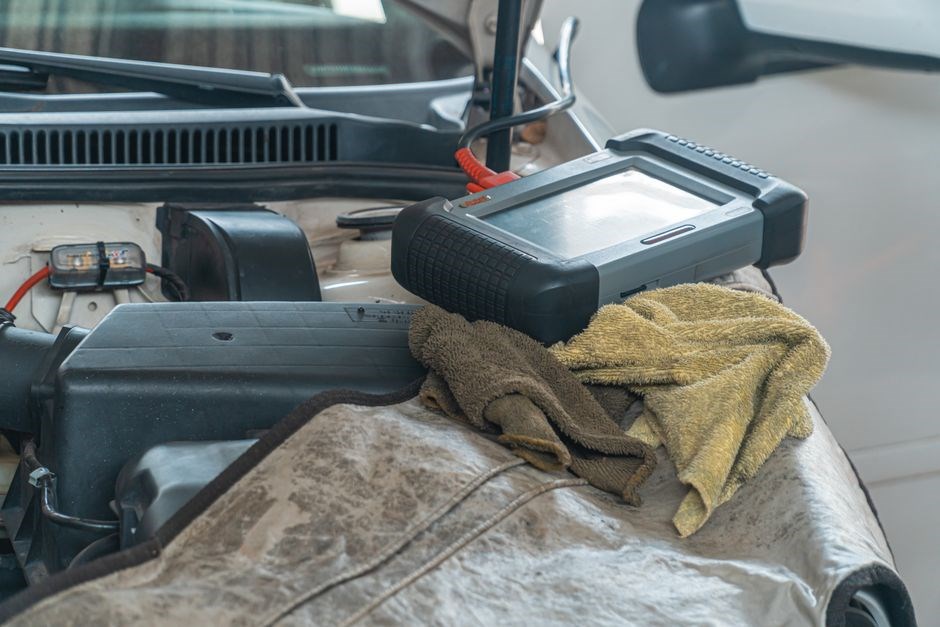
Updating the Innova 3011 keeps the unit current with the latest vehicle protocols and bug‑fixes. The update can be performed via the Windows utility, the Android companion app, or a Linux command‑line script. Follow the steps below for each method.
Windows Utility
- Connect the 3011 to a PC with the USB‑C cable.
- Launch “Innova 3011 Firmware Updater”.
- Click Check for Updates; download the latest file.
- Click Install to flash the firmware; the device reboots automatically.
- Verify the new version in the utility.
Android App
- Open the app, tap Settings → Firmware Update.
- Tap Check; if an update exists, tap Download.
- The app writes the firmware over OTG and reboots the 3011.
- Confirm the new version in the app.
Linux
- Download the latest firmware binary from the website.
- In a terminal, run
sudo ./innova_firmware_update.sh firmware.bin. - The script mounts the device, pushes the binary, and triggers the loader.
- After reboot, check the version via the serial console.
Always verify the firmware version after the update and keep a backup of the previous firmware. If the update fails, consult the troubleshooting section or contact support. If you encounter any issues, refer to the user manual or the online FAQ for detailed troubleshooting steps. Process is reversible.

Setting Up the Device
Power on the Innova 3011 by pressing the button until the screen lights. Verify battery status, then insert the USB‑C cable into the device and connect to a PC. Launch the firmware updater, accept the license, and let the tool detect the unit. Once detected, proceed to the next step. Follow prompts.OK END.
Powering On and Initial Checks
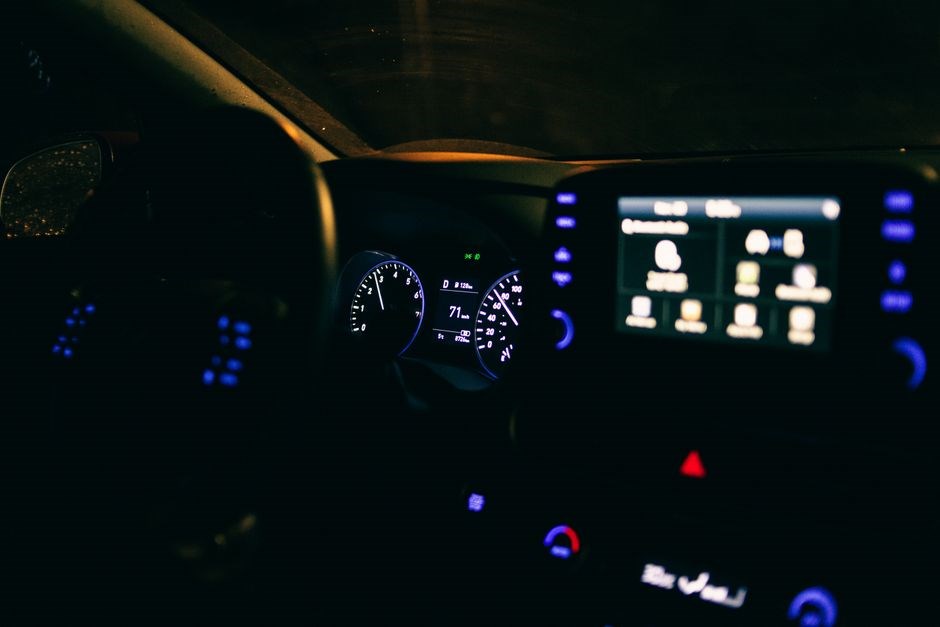
To power on the Innova 3011, locate the recessed button on the front panel. Firmly press and hold for 2–3 seconds until the LED indicator turns green and the display activates. The screen will show a boot logo followed by a battery status icon. Verify that the battery level is above 20 % to ensure stable operation. Next, connect the included USB‑C cable to the device’s charging port and to a reliable power source such as a wall adapter or a vehicle’s 12‑V outlet. The device will automatically detect the power input and display a charging icon. Once the battery reaches full charge, the icon will change to a full bar, indicating readiness. Perform an initial self‑diagnostic by selecting the “System Check” option from the main menu. The reader will run a series of internal tests, including sensor calibration and memory integrity checks. If all tests pass, a green checkmark will appear; otherwise, the screen will display an error code that can be referenced in the user manual. Finally, confirm that the device’s firmware version matches the latest release by navigating to “Settings” → “Firmware Info.” If an update is available, follow the on‑screen prompts to download and install it. Once the update completes, reboot the device by pressing the power button again. The Innova 3011 is now fully powered and ready for vehicle diagnostics. Before using the reader, ensure the vehicle’s OBD2 port is clean and free of debris; a dirty port can lead to false readings or communication errors during
Connecting to Vehicle OBD2 Port
Before you begin, locate the vehicle’s OBD2 diagnostic socket, typically found beneath the driver’s side dashboard. The Innova 3011 uses a standard 16‑pin J1962 connector, so simply plug the device’s cable into the port. Ensure the vehicle is in the “ON” position, but do not start the engine; the reader requires a 12‑V supply but not engine operation. Once the cable is inserted, the Innova 3011 will automatically detect the vehicle’s communication protocol. A series of icons will appear on the screen: a green “Ready” flag, the vehicle’s VIN, and the current engine RPM. If the screen shows a “No Signal” message, double‑check the cable alignment and ensure the vehicle’s ignition is fully engaged. For vehicles with a non‑standard OBD2 layout, use the optional adapter cable supplied with the device; this adapter converts a 12‑pin or 14‑pin connector to the 16‑pin standard; After successful detection, navigate to the “Vehicle Info” menu to confirm the make, model, and year match your expectations. The reader will also display the supported diagnostic services (e.g., DTC retrieval, live data, freeze frame). If any service is unavailable, the screen will list a corresponding error code. At this point, the Innova 3011 is fully connected and ready to perform diagnostics. Remember to keep the cable secure during use to avoid accidental disconnection, which could interrupt data streams or corrupt logs. When finished, gently unplug the cable, turn off the reader, and store it in a dry, temperature‑controlled environment to preserve battery life and sensor accuracy. If you encounter intermittent connectivity, try using the built‑in cable’s magnetic base to secure the connection. Also, ensure that the vehicle’s immobilizer is not active, as some models require a key in the ignition to enable OBD2 communication. For hybrid or electric vehicles, the reader will display a separate battery management interface; consult the user manual for specific steps. Finally, verify that the device’s firmware is up to date; outdated firmware can cause protocol mismatches. Once all checks pass, you can proceed to read trouble codes or view live data streams. The Innova 3011 supports both ISO 15765‑4 CAN and KWP2000 protocols, ensuring compatibility across most modern vehicles. When connecting to older models that use SAE J1850 PWM or VPW, the device will automatically switch protocols after a short handshake. If the reader fails to detect the protocol after three attempts, consult the troubleshooting section of the manual or contact support for assistance.
Using the Innova 3011 for Diagnostics
Use the device to read fault codes, clear them, view live data, and interpret results. The screen displays RPM, coolant temp, and O2 sensor readings. Navigate menus with the arrow keys, confirm actions with the center button, and save logs to USB.!!!…
Reading and Clearing Trouble Codes
Connect the Innova 3011 to the vehicle’s OBD‑II port using the supplied cable. Power on the unit and wait for the initialization screen. From the main menu, select “Read Codes”. The device will query the ECU and display a list of active fault codes, each accompanied by a brief description and severity level. Use the arrow keys to scroll through the list. To clear a code, highlight it and press the center button, then confirm the action. The unit will send a clear command to the ECU and update the list in real time. If multiple codes are present, repeat the selection process for each one. After clearing, perform a “Read Codes” again to verify that all codes have been removed. The device also offers a “Clear All” option for bulk removal, but use it cautiously as it may erase important diagnostic information. For persistent codes that reappear, note the associated sensor or component and consult the vehicle’s service manual for further troubleshooting. The Innova 3011 logs cleared codes to its internal memory, allowing you to review history later by selecting “Code History” from the menu. This feature is useful for tracking recurring issues and confirming successful repairs. Remember to disconnect the unit before turning off the vehicle to avoid any electrical issues. The process is quick, reliable, and suitable for both professional technicians and DIY enthusiasts.
After diagnostics, export the code history via USB. The device supports FAT32 and NTFS. This export is a maintenance record for future use.
Steps documented in the manual.today.
Live Data Stream and Graphs
The Innova 3011 allows real‑time monitoring of key sensor parameters through its live data stream feature. After connecting to the vehicle, choose “Live Data” from the main menu. The screen will display a scrolling list of active data points such as engine RPM, coolant temperature, vehicle speed, throttle position, and O2 sensor voltage. Each parameter updates at a refresh rate of 1–2 seconds, giving a smooth visual readout.
To view graphical representations, tap the “Graph” button. The unit will generate line charts for the selected parameter, displaying values over the last 30 seconds. Users can zoom in by holding the screen or adjust the time window via the “Time” option, which supports 5‑second, 10‑second, 30‑second, and 60‑second intervals. Graph colors are customizable: red for high values, green for normal ranges, and blue for low readings.
For advanced diagnostics, enable “Data Logging” to capture streams to the SD card. The log file can be exported in CSV format, allowing detailed post‑drive analysis. The device supports multiple data set; press “Add” to monitor a second parameter such as intake air temperature fuel pressure.
For technicians, the device’s “Auto‑Scan” mode can automatically cycle through all supported parameters, flagging any out‑of‑range values. This feature speeds up diagnostics and ensures no critical data is missed during a quick check. The Innova 3011’s intuitive interface makes it a reliable companion for any repair shop.
Interpreting Diagnostic Results
When the Innova 3011 displays a trouble code, the device automatically provides a brief description next to the numeric code. For example, P0301 indicates a misfire in cylinder 1, while P0420 signals a catalyst efficiency issue. The tool also lists recommended repair actions, such as “Check spark plug and ignition coil” or “Inspect catalytic converter.” Users can tap the code for a more detailed explanation, which includes possible causes, symptoms, and step‑by‑step troubleshooting steps.
In addition to static codes, the reader highlights active fault conditions in real time. If a sensor reading drifts outside its normal range, the unit will flash a warning icon and log the event. This feature helps technicians spot intermittent issues that may not trigger a stored code. The “Live Data” screen can be cross‑referenced with the code list to correlate sensor anomalies with specific fault codes.
For deeper analysis, the Innova 3011 offers a “Diagnostic Summary” that aggregates all current and historical codes, along with their occurrence frequency. This summary can be exported to a PC via USB or Bluetooth, where the data can be plotted and compared across multiple runs. By reviewing trends, technicians can determine if a problem is recurring or resolving after repairs.
Finally, the device’s “Auto‑Scan” feature can be used to perform a quick health check. It cycles through all supported systems, reporting any pending or active codes. This quick scan is ideal for a pre‑service check or when a vehicle exhibits vague symptoms. The Innova 3011’s clear, concise reporting makes it easy to prioritize repairs and reduce diagnostic time.
The device records the time and date for each code, letting technicians track recurring issues. It supports multiple languages, and users can customize font size and color for better visibility during nighttime diagnostics.now and logs data.!