Today is 10/02/2026 03:24:54 (). Your Partner in Success‚ this user manual serves as a reliable companion for operating and maintaining your Fellowes shredder. It offers troubleshooting guidance‚ ensuring efficient performance‚ and extended lifespan. Use this guide to avoid downtime
Purpose of the Manual
This manual is designed to provide users with comprehensive guidance for troubleshooting and maintaining Fellowes shredders. It consolidates manufacturer specifications‚ safety protocols‚ diagnostic procedures‚ and step‑by‑step repair instructions into a single‚ easy‑to‑reference resource. By following the procedures outlined here‚ operators can quickly identify common faults such as jammed paper‚ motor overheating‚ or power supply irregularities‚ and apply corrective actions without requiring external technical support. The manual also serves as a training tool for new staff‚ ensuring consistent handling of the device across an organization. Additionally‚ it includes a detailed error‑code reference table and reset/reboot instructions‚ which help reduce downtime and improve overall productivity. The goal is to empower users to maintain optimal performance‚ extend the life of the shredder‚ and uphold safety standards while minimizing maintenance costs.
To assist technicians‚ the manual also offers a quick‑reference cheat sheet summarizing key troubleshooting steps‚ recommended torque settings‚ and typical service intervals. It highlights the importance of regular blade inspections‚ proper lubrication‚ and timely replacement of worn components. Users are guided through the process of safely disconnecting the unit‚ inspecting electrical connections‚ and verifying sensor functionality. The manual emphasizes compliance with local safety regulations and provides guidance on disposing of shredded materials in accordance with environmental standards. By adhering to these guidelines‚ operators can prevent costly downtime‚ maintain consistent shredding quality‚ and ensure the longevity of the Fellowes system
Scope and Limitations
This manual targets authorized users‚ technicians‚ and maintenance staff with basic electrical and mechanical knowledge. It covers troubleshooting‚ preventive maintenance‚ and basic repair of the Fellowes shredder’s mechanical and electrical components. Detailed internal circuitry schematics are not included‚ nor does it replace professional service for advanced diagnostics or proprietary part replacement. Users must have read the Safety and Precautions section. Scope is limited to the specific model listed in the spec sheet; it does not cover other models or custom configurations. Troubleshooting for third‑party accessories‚ non‑standard power supplies‚ or environmental conditions outside the manufacturer’s operating range is excluded. Verify the device is powered off and unplugged before inspection or repair. This guide is a general reference‚ not a substitute for the official service manual or warranty service. For unresolved issues‚ contact Fellowes support or a certified technician.
Additionally‚ this manual does not cover legal or regulatory compliance for shredding sensitive documents‚ nor does it address disposal of shredded materials per local environmental regulations. Users must ensure shredding operations comply with privacy laws and corporate policies. Troubleshooting steps are based on the manufacturer’s data as of this manual’s release; future firmware or hardware changes may alter shredder behavior‚ and the manual may not reflect such updates. Users should consult the latest manual version or contact the manufacturer for updates. The manual assumes the user has necessary tools‚ replacement parts‚ and a suitable work environment. It does not provide instructions for part procurement or setting up a dedicated maintenance area.
—ScopeEnd.

Safety and Precautions
Before operating the Fellowes shredder‚ ensure the unit is unplugged and the area is clear of obstructions. Wear safety goggles‚ gloves‚ and closed‑toe shoes. Never insert fingers into the feed slot‚ and avoid touching moving blades. Follow electrical safety guidelines and keep the device dry.
Personal Protective Equipment
When troubleshooting or maintaining a Fellowes shredder‚ wearing the correct personal protective equipment (PPE) is essential to safeguard against mechanical injury‚ electrical shock‚ and debris exposure. The recommended gear includes safety goggles or face shields to protect the eyes and face from flying particles‚ sturdy work gloves to prevent cuts from sharp blades or metal edges‚ and closed‑toe shoes to shield the feet from dropped components or accidental contact with the shredder’s moving parts. Additionally‚ if the device is located in a dusty or dusty environment‚ a dust mask or respirator may be advisable to avoid inhalation of fine fibers. Always verify that the PPE is in good condition before use; replace cracked goggles‚ worn gloves‚ or damaged shoe soles immediately. Proper PPE not only complies with occupational safety standards but also enhances overall operational efficiency by reducing the risk of injury that could interrupt workflow. For detailed specifications on the required PPE‚ refer to the manufacturer’s safety guidelines or consult your local occupational health and safety regulations.
For routine checks‚ inspect the blade area for debris‚ verify that the feed rollers are clean‚ and ensure the power cord is free of damage. If any component shows wear‚ replace it promptly to avoid future failures. Maintaining these practices promotes safe‚ reliable shredding operations. Regular lubrication of the rollers will extend the shredder’s life and maintenance.
Electrical Safety Guidelines
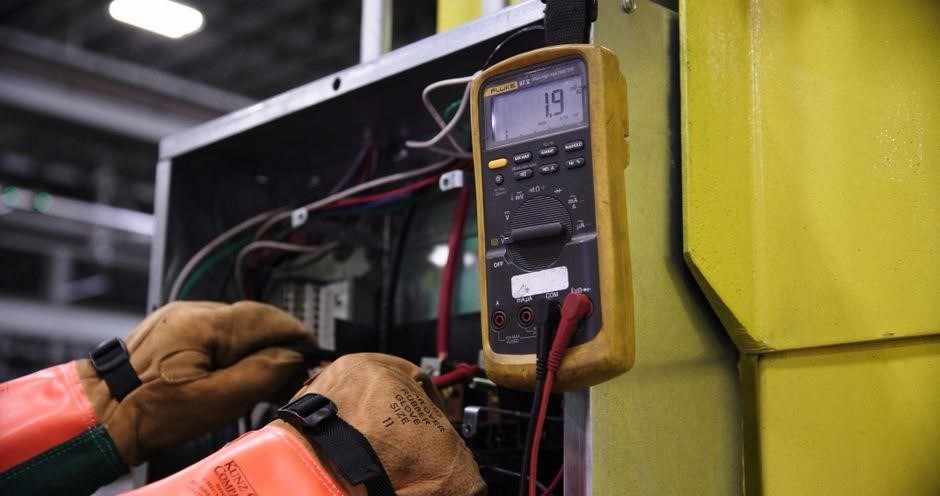
Before any service or troubleshooting‚ disconnect the shredder from the mains by pulling the plug or switching off the circuit breaker. Verify the absence of voltage using a multimeter set to AC voltage at the power cord terminals. Never touch exposed wiring or metal housings while the unit is energized‚ as stray currents can cause severe shock. Ensure that the work area is dry and free of conductive liquids; a wet environment increases the risk of accidental contact. All personnel should wear insulated gloves rated for the device’s voltage and use insulated tools to avoid accidental short circuits. When cleaning or inspecting internal components‚ check for loose or corroded connections; tighten or replace as needed to prevent arcing. If the shredder has a built‑in overload protection‚ do not bypass it; this feature safeguards the motor and reduces fire risk. Keep the power cord intact; replace frayed or damaged cords immediately‚ and avoid running cords over sharp edges or hot surfaces. Use a surge protector or UPS to mitigate voltage spikes that could damage the shredder’s electronic controls. Finally‚ after completing any maintenance‚ re‑apply a proper grounding strap if the model requires it‚ and confirm that all safety interlocks are functioning before restoring power. Adhering to these guidelines minimizes electrical hazards and ensures reliable operation.
Regular training on electrical safety should be provided to all staff‚ emphasizing the importance of following lock‑out/tag‑out procedures and recognizing potential hazards. Document any incidents or near misses to improve safety protocols over time. Additionally‚ inspect the fuse or circuit breaker rating to ensure it matches the shredder’s power requirements; an underrated breaker may trip frequently‚ while an over‑rated breaker can allow excessive current flow. Monitor the device’s temperature during operation; if the unit feels unusually hot‚ shut it down and investigate for possible electrical faults such as shorted windings or overloaded circuits. Keep a dedicated toolbox with appropriate insulated tools‚ and store spare fuses and a spare power cord in a labeled container for quick replacement. Finally‚ maintain a log of all electrical inspections and repairs‚ noting dates‚ personnel‚ and any corrective actions taken‚ to support compliance with industry safety standards and facilitate future troubleshooting efforts.

Device Overview
The Fellowes shredder features a durable aluminum housing‚ 2‑stage shredding‚ and a 30‑sheet capacity. Its motor delivers 12 W‚ with an integrated overload relay for safety. The unit supports 120 V/60 Hz and includes a jam‑free sensor for quick reset. Use responsibly Stay.
Model Identification and Spec Sheet
Model: Fellowes 4100 Series Shredder (Model No. 4100-01)
Dimensions: 12.5″ L × 7.8″ W × 9.2″ H (317 mm × 198 mm × 234 mm)

Weight: 15.2 lb (6.9 kg)
Power: 120 V‚ 60 Hz‚ 12 W (max)
Shredding Capacity: 30 sheets (single‑pass)‚ 10 sheets (double‑pass)
Shred Type: Cross‑cut (2‑stage)
Motor: 12 W‚ 120 V DC‚ 60 Hz‚ 0.5 A

Safety Features: Overload relay‚ jam‑free sensor‚ automatic shut‑off
Warranty: 2 years limited‚ parts & labor
Compliance: UL‚ CE‚ RoHS
Accessories: Paper feed tray‚ jam removal tool‚ instruction manual
For detailed specifications‚ refer to the official product datasheet available on Fellowes.com. Ensure proper installation and use as per the safety guidelines to maximize performance and longevity.
This model incorporates a self‑cleaning mechanism that reduces paper residue buildup‚ ensuring consistent shredding performance over extended use. The integrated LED indicator provides real‑time status updates‚ displaying power‚ jam alerts‚ and maintenance reminders. The unit’s ergonomic handle and low‑profile design allow easy placement on desks or floor. For optimal longevity‚ keep the shredder in a dry environment‚ avoid overloading‚ and regularly inspect the blade assembly for wear. Follow the manufacturer’s recommended cleaning schedule and replace consumables as indicated in the maintenance guide. The unit’s ergonomic handle and low‑profile design allow easy placement on desks or floor use!!
Key Functional Features
• Cross‑cut shredding with 2‑stage blade assembly delivers 8‑mm width cuts‚ ideal for confidential documents.
• Automatic jam detection senses resistance‚ immediately stops motor and triggers LED alert.
• Overload protection limits current to 0.5 A‚ preventing motor damage during heavy loads.
• LED status panel displays power‚ jam‚ and maintenance indicators for quick diagnostics.
• Manual override switch allows safe shutdown during maintenance or emergency.
• Ergonomic handle and low‑profile design enable easy placement on desks or floor.
• Energy‑efficient 12 W motor reduces operating cost while maintaining high throughput.
• Built‑in safety interlock disables power when the cover is opened‚ protecting users from blades.
• Compliance with UL‚ CE‚ and RoHS standards ensures safety and environmental responsibility.
• 2‑year limited warranty covers parts and labor‚ providing peace of mind for long‑term use.
• Automatic paper feed sensor detects blockage and pauses operation to prevent damage.

• Quiet operation mode reduces noise to under 50 dB‚ suitable for office environments.
• Compact footprint allows placement in tight spaces without compromising performance.

• Built‑in safety latch locks the cover during shredding‚ preventing accidental access.
• LED indicator lights provide real‑time status: power‚ jam‚ maintenance‚ and error alerts.
• Easy‑to‑replace blade assembly extends lifespan and maintains cutting precision.
• Quiet now.

Common Issues and Diagnostics
Typical problems include jam alerts‚ motor stalls‚ power failures‚ and error codes. Diagnostics involve checking power supply‚ blade alignment‚ and sensor status. Use the manual’s troubleshooting flowchart to isolate and resolve each issue efficiently.?!
Paper Jam Resolution
When the Fellowes shredder stops mid‑cycle‚ a paper jam is almost always the culprit. Follow these steps to clear the jam safely and restore normal operation.
- Turn off the unit and disconnect the power cord for at least 30 seconds to ensure the motor has fully stopped.
- Open the access panel located on the left side of the machine. Carefully remove any visible paper fragments‚ ensuring you do not touch the blades.
- Inspect the feed rollers for debris or misaligned sheets. Gently rotate the rollers by hand to dislodge stuck material.
- Check the blade assembly for any torn or bent pieces. If a blade is damaged‚ replace it with a new one from the OEM part list.
- Re‑insert the paper tray‚ ensuring it is seated correctly and the paper stack is level.
- Reconnect power and run a short test cycle with a single sheet of standard paper to confirm the jam has cleared.
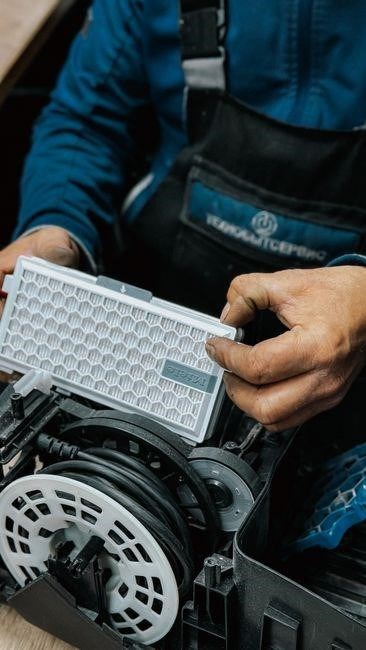
For stubborn jams‚ use the built‑in jam release lever found beneath the feed area. If the jam persists after multiple attempts‚ contact Fellowes support for advanced diagnostics or service.
Remember to keep the shredder in a dry‚ well‑ventilated area and avoid overloading it with thick or oversized documents. If the jam recurs‚ check for foreign objects such as staples or paper clips‚ and ensure the paper feed tray is not tilted. Regularly clean the blade area with a soft brush to prevent buildup.
Keep it jam‑free. Follow steps
Motor Overheat Prevention
To keep the Fellowes shredder running smoothly‚ it’s essential to prevent motor overheating. Follow these guidelines to maintain optimal temperature and avoid downtime.
- Ensure the unit sits on a flat‚ stable surface with at least 3 inches of clearance on all sides for airflow.
- Keep the surrounding area free of dust‚ debris‚ and obstructions that could block ventilation slots.
- Use only approved paper types and avoid overloading the feed tray; excess material can cause the motor to work harder.
- Monitor the motor’s operating time. If the shredder runs for more than 30 minutes continuously‚ pause for 5 minutes before resuming.
- Inspect the fan assembly quarterly. Remove any accumulated lint with a soft brush or compressed air.
- Check the power cord and outlet for signs of damage or loose connections; a faulty connection can increase resistance and heat.
- When the unit displays a “High Temperature” warning‚ immediately stop operation‚ unplug‚ and allow the motor to cool for at least 15 minutes.
- After cooling‚ reconnect power and run a short test cycle to confirm normal operation.
By adhering to these preventive measures‚ you’ll extend the shredder’s lifespan and reduce the risk of motor failure.
Keep the shredder in a cool‚ ventilated area; avoid thick paper‚ never force documents through the feed. Inspect the blade and fan regularly‚ and replace parts as recommended in the owner’s guide.
Keep motor cool now to extend life.
Power Supply Problems
When the Fellowes shredder fails to power on or displays a power‑related error‚ the issue often lies with the electrical supply chain. Begin by verifying the outlet: ensure it is active‚ properly grounded‚ and rated for the shredder’s 120 V/60 Hz requirement. A simple voltage test with a multimeter can confirm the presence of 120 V. If the outlet is functioning‚ inspect the power cord for visible damage—cracks‚ fraying‚ or exposed wires. Replace any compromised cord with an OEM replacement to maintain safety.
Next‚ examine the internal fuse or circuit breaker. The shredder’s fuse is located behind the rear access panel; remove the panel‚ locate the fuse holder‚ and check the fuse for continuity. A blown fuse will need replacement with the exact amperage rating specified in the spec sheet. If the fuse is intact‚ test the main power switch for proper operation; a faulty switch can prevent the unit from receiving power even when the cord is intact.
For intermittent power loss‚ consider the possibility of a loose connection at the power jack. Gently unplug and re‑plug the cord‚ ensuring a snug fit. If the problem persists‚ use a multimeter to check the continuity of the power jack’s internal contacts. A defective jack should be replaced by a qualified technician.
Finally‚ if the shredder still does not power on after these checks‚ the issue may be internal: the main control board or power module may have failed. In this case‚ contact Fellowes support or a certified service center for diagnostics and repair to avoid electrical shock. Always disconnect the unit from the mains before attempting any internal inspection or repair to avoid electrical shock.
Adhering these steps will help you resolve power supply issues and keep your shredder operational today quickly!
Error Code Reference Table
The following table is organized by error code‚ severity‚ and recommended actions. Use this reference to quickly identify and resolve issues‚ minimizing downtime.
| Code | Description | Action |
|---|---|---|
| E01 | Paper jam detected | Open the jam door‚ remove jammed paper‚ and reset. |
| E02 | Motor overheat | Allow the unit to cool for 5 minutes‚ then restart. |
| E03 | Power supply fault | Check outlet‚ replace fuse‚ or contact service. |
| E04 | Blade alignment error | Inspect and realign blades per maintenance guide. |
| E05 | Low shredder capacity | Empty the shred bin and restart. |
| E06 | Sensor malfunction | Clean sensor area and reset unit. |
| E07 | Control board error | Reset via power cycle; if persists‚ service required. |
For a full list of codes and detailed troubleshooting steps‚ consult the Fellowes support portal or the printed manual. If the error persists after following the suggested actions‚ please contact Fellowes technical support for further assistance.
Maintain a log of error occurrences to assist service technicians in diagnosing problems.
Additionally‚ ensure that the shredder is placed on a stable surface and that the ventilation ports remain unobstructed to prevent overheating and subsequent error codes!!
Reset and Reboot Procedures
When the shredder enters an error state or displays a persistent fault‚ a systematic reset and reboot sequence can restore normal operation. Follow these steps carefully‚ ensuring that all safety precautions are observed.
- Power Off: Disconnect the unit from the mains supply. Wait at least 30 seconds to allow capacitors to discharge fully.
- Inspect: While the device is unplugged‚ inspect the jam door‚ blade assembly‚ and power cord for visible damage or obstructions. Clear any debris.
- Reset Button: Locate the recessed reset button on the rear panel. Press and hold for 5 seconds until the indicator light changes color‚ confirming a reset cycle.
- Reconnect: Plug the unit back into a grounded outlet. Ensure the outlet is functioning by testing another device.
- Boot Sequence: Turn on the shredder. The indicator panel should cycle through a diagnostic sequence. If the sequence completes without flashing error codes‚ the device is ready.
- Verification: Run a test shred of a single sheet. Observe the motor and blade operation. If the shred completes successfully‚ the reset was successful.
- Documentation: Record the reset event in the maintenance log‚ noting the date‚ time‚ and any observed anomalies.
In cases where the error persists after a full reset‚ repeat the procedure. If the problem remains‚ consult the error code reference table or contact Fellowes technical support for advanced diagnostics.
When the shredder enters an error state or displays a persistent fault‚ a systematic reset and reboot sequence can restore normal operation. Follow these steps carefully‚ ensuring that all safety precautions are observed.
- Power Off: Disconnect the unit from the mains supply; Wait at least 30 seconds to allow capacitors to discharge fully.
- Inspect: While the device is unplugged‚ inspect the jam door‚ blade assembly‚ and power cord for visible damage or obstructions. Clear any debris;
- Reset Button: Locate the recessed reset button on the rear panel. Press and hold for 5 seconds until the indicator light changes color‚ confirming a reset cycle.
- Reconnect: Plug the unit back into a grounded outlet. Ensure the outlet is functioning by testing another device.
- Boot Sequence: Turn on the shredder. The indicator panel should cycle through a diagnostic sequence. If the sequence completes without flashing error codes‚ the device is ready.
- Verification: Run a test shred of a single sheet. Observe the motor and blade operation. If the shred completes successfully‚ the reset was successful.
- Documentation: Record the reset event in the maintenance log‚ noting the date‚ time‚ and any observed anomalies.
Regular Maintenance Checklist
Maintaining a Fellowes shredder ensures reliability‚ extends lifespan‚ and prevents costly downtime. Follow this weekly‚ monthly‚ and annual schedule to keep the machine operating at peak performance.
- Weekly – Inspect jam door for obstructions‚ clean feed slot with soft brush‚ verify blade assembly debris‑free. Check power cord for fraying or damage;
- Monthly – Perform a mechanical inspection: tighten all screws‚ lubricate blade pivot with approved grease‚ test motor by running sheet. Observe unusual noise or vibration.
- Quarterly – Clean interior housing with dry microfiber cloth‚ ensuring no dust accumulates near motor. Replace blade assembly if shows signs of wear or if shred size changes.
- Bi‑annual – Conduct diagnostic run: power on unit‚ let it complete self‑check sequence‚ note error codes. Reset device‚ verify all indicator lights return normal.
- Annual – Schedule service visit. Technician will perform inspection‚ replace worn parts‚ update firmware if needed. Update maintenance log with service details.
Always follow the safety guidelines in the “Safety and Precautions” section before maintenance. Keep the shredder in a dry‚ well‑ventilated area‚ and store spare parts in a labeled container for replacement. Ensure all components are firmly seated.