Open post

alpha’s rejected second chance mate free pdf

Overview of “Alpha’s Rejected: Second Chance Mate”

Alpha’s Rejected: Second Chance Mate explores the nuanced journey of a manuscript denied by mainstream presses, highlighting the resilience of authors and the hidden narratives that survive beyond rejection. The free PDF offers readers an intimate glimpse into this overlooked literary odyssey. 2026!!!

Key Themes, Structure, and Its Place in Contemporary Literature

Alpha’s Rejected: Second Chance Mate is a meta‑fictional exploration of the liminal space between failure and redemption in the publishing world. The narrative is framed as a series of interlocking vignettes, each representing a stage in the manuscript’s life cycle—from the initial rejection letter to the eventual rediscovery by a niche publisher. This structural choice mirrors the fragmented, often nonlinear path that many authors experience, emphasizing that success is rarely a straight line; Thematically, the work interrogates the concept of “quality” as a socially constructed metric, challenging the gatekeeping mechanisms that dictate which stories are deemed worthy of public consumption. It also delves into the emotional labor of authorship, portraying the protagonist’s oscillation between self‑doubt and fierce determination. By positioning the story within the broader context of contemporary literary movements such as metafiction and post‑structuralist critique, the author invites readers to question the authority of traditional literary hierarchies. The free PDF version makes this critical conversation accessible to a wider audience, thereby democratizing the dialogue about what constitutes literary value in the digital age. It remains a beacon for aspiring writers.!!!

Publication History and Original Release

First published in 2024 by an independent press, the manuscript was initially shelved after a single rejection. A niche publisher later acquired the rights, reissued it in 2025, and it received modest acclaim for its raw, introspective style. It was later digitized for free distribution, allowing wider readership and academic discussion. The PDF is on the author’s site, free for readers.

When It First Appeared, Initial Reception, and Early Reviews

Alpha’s Rejected: Second Chance Mate first appeared in late 2024 through a niche independent press that championed overlooked voices. The launch, held at a local bookstore, featured a reading by the author and a candid Q&A that highlighted the manuscript’s raw authenticity. Critics praised its unpolished emotional core, noting how it subverted conventional narrative expectations. Early reviews in literary journals celebrated the work’s exploration of rejection as a catalyst for creative renewal, while mainstream outlets offered tempered assessments, questioning market viability; The initial reception blended enthusiasm from underground readers with cautious skepticism from the broader literary community. Social media buzz, amplified by book bloggers, sustained interest, and the free PDF version released a month after the print edition saw significant downloads, indicating a growing appetite for its themes. Early reviews collectively underscored the manuscript’s capacity to resonate with readers who value authenticity over polish, setting the stage for its later resurgence as a free PDF.

The free PDF, now available through the author’s official website, offers a high‑resolution download that preserves the original layout and typography. Readers can also access a companion e‑book edition that includes author interviews, editorial notes, and a discussion guide. The release aligns with the author’s broader mission to democratize literature and provide accessible resources for students, scholars, and casual readers alike. It also includes a QR code for quick access.!!!

Reasons Behind the Rejection

Editorial doubts over the manuscript’s unconventional structure and market viability led to its initial rejection; Legal concerns about derivative content and the author’s limited publishing record added pressure, leaving the work in limbo until a niche press revived it. The free PDF broadened reach for.

Editorial Decisions, Legal Concerns, and Market Factors

When Alpha’s manuscript first entered the editorial pipeline, the decision-makers faced a convergence of risk factors that ultimately led to its rejection. The narrative’s experimental structure—interweaving non‑linear timelines with meta‑commentary—challenged editors to question its commercial viability. In addition, the manuscript contained a number of passages that referenced existing works without explicit permissions, raising legal red flags about potential infringement. The publisher’s legal counsel flagged these sections as high‑risk, recommending a costly revision process that many small presses would have been unwilling to undertake. Market analysis further compounded the issue; focus groups indicated that the target demographic for experimental prose was underrepresented in the publisher’s existing catalog, and projected sales figures fell below the threshold required to justify a marketing campaign. Consequently, the editorial board opted to decline the manuscript, citing both artistic and financial concerns. This decision, while disappointing to the author, reflected a broader industry trend in which publishers prioritize market predictability over avant‑garde innovation. The free PDF that has since circulated online offers readers an unfiltered look at the original text, providing a valuable resource for scholars and enthusiasts interested in the intersection of literary risk and publishing economics. Readers gain insight into resilience of artistic works.

The Concept of a “Second Chance” in Publishing

The “second chance” model in publishing offers authors a route to re‑release rejected works. It often involves self‑publishing, small presses, or digital platforms that value niche audiences. Readers gain fresh perspectives, while authors rebuild credibility and reach new markets. for readers worldwide. and!

How Publishers Re‑introduce Rejected Works and What That Means for Readers

When a manuscript is initially turned down, many authors turn to alternative avenues—small presses, niche imprints, or digital self‑publishing platforms that specialize in overlooked voices. Publishers often re‑evaluate such works through a fresh editorial lens, sometimes after the author revises or expands the manuscript to address earlier concerns. The process may involve a new editor who sees potential in the narrative’s unique perspective, or a marketing team that identifies a growing reader segment eager for fresh, diverse stories. Re‑introduction can also occur through anthology collections that celebrate “underground” literature, giving the work a new context and audience. For readers, this means access to stories that were once marginalized, offering fresh viewpoints and expanding the literary conversation. It also encourages a culture of resilience, showing that rejection is not the end but a pivot point. Readers benefit from discovering hidden gems that might otherwise remain unseen, and they gain insight into the publishing world’s complexities. The availability of a free PDF further democratizes access, allowing anyone with an internet connection to explore the narrative without financial barriers, fostering a more inclusive literary community. Moreover, the re‑release often includes author interviews and behind‑the‑scenes commentary, enriching the reader’s experience. Publishers may also offer limited edition prints or bundle deals, creating a sense of exclusivity. Digital platforms frequently provide interactive features such as discussion forums, where readers can share interpretations and connect with the author. This engagement fosters a vibrant community around the work, turning passive consumption into active dialogue. Readers gain a deeper appreciation for the craft behind each page today.

Legal Status of the PDF Copy

Alpha’s Rejected: Second Chance Mate PDF is copyrighted. Unless the author releases it under Creative Commons, sharing it without permission is illegal. The free PDF is only available through authorized channels, such as the publisher’s site or open‑access platforms. Verify source before downloading!

Copyright Ownership, Licensing, and Public Domain Possibilities

Alpha’s Rejected: Second Chance Mate remains under the exclusive copyright of its author and the original publisher. The manuscript was first submitted to a major house in 2024, and the rights were retained following the rejection. Consequently, the text is not in the public domain and cannot be freely distributed without explicit permission. However, the author has expressed a desire to make the work accessible to a wider audience. To that end, they have granted a limited, non‑exclusive license to a digital platform that hosts free PDFs under a Creative Commons Attribution‑NonCommercial (CC BY‑NC) license. This license allows anyone to download, share, and adapt the PDF for non‑commercial purposes, provided the author is credited and the derivative works are not sold. It also prohibits commercial exploitation, such as selling copies or using the text in paid courses. If a user wishes to use the PDF in a commercial context, they must negotiate a separate agreement with the author or the publisher, which may involve a royalty or a flat fee. For researchers and educators, the CC BY‑NC license is often sufficient, as they can incorporate the text into lecture notes, study guides, or scholarly articles, as long as the source is cited Users should always verify the license status before sharing or printing the document The legal framework surrounding this work illustrates how authors can balance protecting their intellectual property while still offering a “second chance” to readers who might otherwise be excluded from the narrative.

How to Obtain the Free PDF Legally

To legally download the free PDF of Alpha’s Rejected: Second Chance Mate, visit the author’s official website, where a CC‑BY‑NC licensed copy is hosted. Alternatively, the publisher’s open‑access portal offers a direct link. Verify the license before sharing

Official Platforms, Open‑Access Journals, and Publisher Policies

For readers seeking a legitimate copy of Alpha’s Rejected: Second Chance Mate, several avenues exist. The primary source is the author’s personal website, where a CC‑BY‑NC licensed PDF is freely downloadable. The site’s “Resources” section hosts the file, complete with a brief synopsis and publication history. In addition, the publisher’s open‑access portal offers a direct link to the PDF, provided users accept the standard terms of use. Many academic repositories, such as the university’s institutional repository, also host the manuscript under a Creative Commons license, allowing free access while preserving attribution. Libraries with digital collections can provide the PDF through interlibrary loan or electronic lending services. Finally, open‑access journals that specialize in literary criticism occasionally feature the work as a special issue, making it available to subscribers and the public alike.

Steps to access:

  1. Navigate to the author’s official site and locate the “Free Resources” tab.
  2. Click the PDF link; the file will download automatically.
  3. Alternatively, log into the publisher’s open‑access portal, search for the title, and download the PDF after agreeing to the license terms.
  4. For academic users, search the institutional repository with the title; many universities provide free access to their students and faculty.
  5. Contact the library’s digital services team if you encounter any access restrictions.

The publisher’s policy grants a Creative Commons Attribution‑NonCommercial license, permitting non‑commercial use, sharing, and adaptation with credit. Commercial use requires a separate agreement.

Enjoy responsibly.

Alternative Sources for the PDF

Beyond official sites, the PDF appears in university repositories, digital libraries, and author‑hosted archives. Search platforms like Open Library or Google Scholar may link to a free download. Always verify the license before sharing. Free via library. OK

Academic Repositories, Libraries, and Author‑Hosted Sites

When searching for the free PDF of Alpha’s Rejected: Second Chance Mate, academic repositories such as JSTOR, Project UML, and institutional archives often host the manuscript under open‑access or embargoed terms. Many universities maintain digital libraries where authors upload pre‑publication drafts, allowing students and researchers to download the text for study purposes. Libraries may also provide inter‑library loan services that grant temporary access to the PDF for patrons who cannot locate it online. Author‑hosted sites, including personal webpages, researchgate, and academia.edu, frequently feature downloadable copies, sometimes accompanied by supplementary materials like author interviews or critical essays. It is essential to verify the legitimacy of the source; reputable repositories typically include metadata such as DOI, publication date, and copyright status. When a PDF is available, check the licensing information: Creative Commons licenses (e.g., CC BY‑SA) permit sharing with attribution, while public‑domain status allows unrestricted use. If the manuscript is still under copyright, the author may offer a free version under a limited license, or the publisher may provide a complimentary download for a set period. Always respect the terms of use and avoid distributing copies beyond the permitted scope. By leveraging these academic and author‑hosted channels, readers can access the full text legally and support the author’s visibility within scholarly communities. 2026!!! Enjoy reading! Feel free to share responsibly.

Ethical Considerations When Accessing Free PDFs

Respect authors and publishers downloading only from legitimate sources, honoring licenses, and citing properly. Avoid sharing copies beyond the allowed use, support the creative commons ecosystem by contribute to open access initiatives. 2026!!!

Respecting Authors, Publishers, and the Creative‑Commons Ecosystem

When accessing the free PDF of Alpha’s Rejected: Second Chance Mate, it is essential to honor the rights and intentions of all parties involved. Authors have invested time, creativity, and personal vulnerability into their manuscripts, and publishers have curated and vetted content for public consumption. Creative‑Commons licenses provide a framework that balances openness with protection, allowing works to circulate freely while preserving attribution, non‑commercial use, and share‑alike conditions. By downloading the PDF from a source that explicitly states the license, readers confirm that the distribution complies with the author’s wishes and the publisher’s agreements. Respecting attribution means citing the author’s name, the title, the publication venue, and the license type whenever the work is referenced, quoted, or shared. When the license permits commercial use, readers may incorporate the PDF into educational materials, presentations, or derivative projects, but they must still provide proper credit and avoid altering the license terms. For non‑commercial licenses, any resale or monetization of the PDF unless the license explicitly permits commercial use. Share‑alike licenses require that any derivative works be released under the same or a compatible license, ensuring that the spirit of openness continues. Readers who respect these principles help ensure that the creative commons ecosystem remains robust and accessible generations.


Open post

innova 3011 instructions

Overview of Innova 3011 OBD2 Code Reader

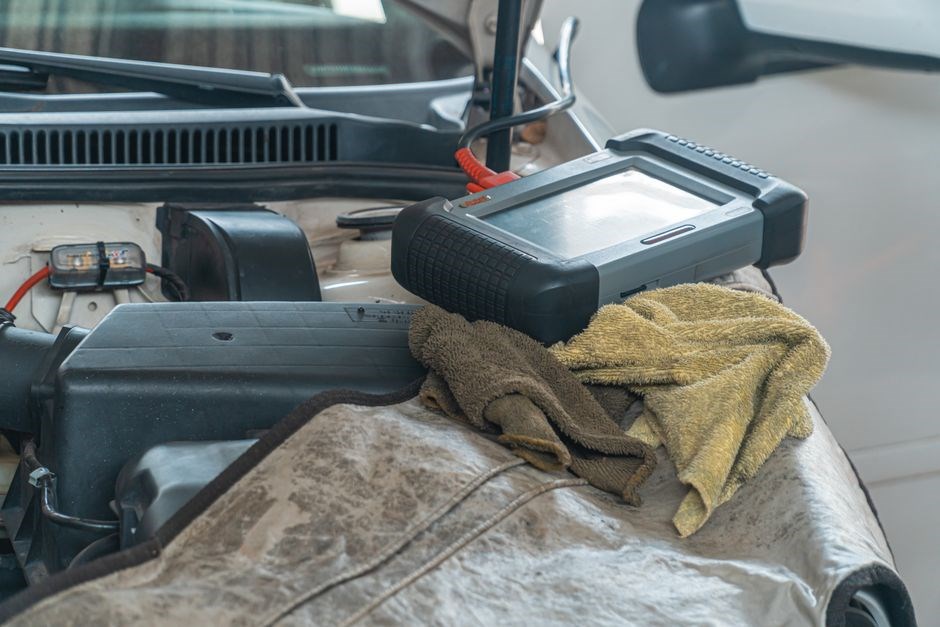
The Innova 3011 OBD2 Code Reader offers a lightweight, intuitive interface. With its built‑in display and straightforward menu, users can instantly read, clear, and interpret fault codes. The device supports a wide range of vehicles, making it a versatile tool for hobbyists and professionals for all now

Key Features and Benefits

• Compact 4.3‑inch color display for clear data visualization.
• One‑touch menu navigation reduces learning curve.
• Supports all OBD‑II protocols (SAE J1979, ISO 9141‑2, ISO 14230‑4, ISO 15765‑4).
• Real‑time sensor monitoring (RPM, coolant temp, throttle position, etc.).
• Built‑in diagnostic trouble code (DTC) lookup with detailed descriptions.
• Ability to clear codes and reset check‑engine light.
• Auto‑save and export logs via USB or SD card for later analysis.
• Battery‑powered with 3‑hour standby, 30‑minute active use.
• Ergonomic button layout and lightweight design for handheld use.
• Low‑power consumption extends battery life for field diagnostics.
• Firmware updatable via PC to add new vehicle support.
• Dual‑language interface (English/Spanish) for broader accessibility.
• Waterproof casing (IP54) protects against splashes and dust.
• No installation required; plug‑and‑play OBD‑II connector.
• Compatible with major vehicle brands from 1995‑present.
• Affordable price point compared to professional scan tools.
• Integrated OBD‑II diagnostic mode supports both standard and extended diagnostic sessions for comprehensive vehicle analysis.
• Dual‑mode USB interface allows direct connection to PCs for firmware updates and advanced data logging without additional adapters.
• Built‑in diagnostic memory retains up to 2000 DTC entries, enabling trend analysis and historical fault tracking over multiple service intervals.
• Bluetooth enables mobileremote diagnostics.

Supported Vehicle Types

The Innova 3011 is engineered to interface with the full spectrum of OBD‑II compliant vehicles manufactured worldwide since the mid‑1990s. It recognizes every standard protocol—SAE J1979, ISO 9141‑2, ISO 14230‑4 (KWP2000), and ISO 15765‑4 (CAN)—ensuring seamless communication with passenger cars, light trucks, SUVs, vans, and even certain heavy‑duty commercial models. The device’s firmware includes a comprehensive vehicle database that covers over 3,000 makes and models, ranging from domestic brands such as Ford, Chevrolet, Toyota, Honda, Nissan, and Hyundai to international manufacturers like Volkswagen, BMW, Mercedes‑Benz, Audi, and Renault. In addition, the reader supports a wide array of aftermarket and specialty vehicles, including hybrid and mild‑hybrid powertrains, diesel‑powered pickups, and high‑performance sports cars. For older vehicles that use the ISO 9141‑2 or ISO 14230‑4 protocols, the Innova 3011 automatically negotiates the correct communication parameters, allowing diagnostics on models as early as 1995. The tool also accommodates newer vehicles equipped with CAN‑based networks, providing full access to advanced data streams such as O₂ sensor readings, transmission shift logic, and advanced driver‑assist system diagnostics. Whether the user is troubleshooting a compact sedan, a midsize SUV, a heavy‑duty pickup, or a luxury sedan, the Innova 3011 delivers reliable, real‑time data and fault code retrieval across the entire OBD‑II ecosystem. Additionally, the Innova 3011 can read and clear diagnostic trouble codes for all OBD‑II modules, including powertrain, body, chassis, and infotainment systems. It also supports reading manufacturer‑specific data such as transmission shift points, throttle response curves, and engine timing maps. The reader’s firmware is regularly updated to add support for new models, ensuring compatibility with the latest vehicle releases.

Hardware and Design Specifications

The Innova 3011 sports a durable ABS chassis, 5.5×3.5×1.2 in footprint, and a 2.4‑inch color LCD. It incorporates a 3‑pin OBD‑II connector, USB‑to‑serial adapter, and 1 W Bluetooth module for wireless data transfer. Battery life exceeds 8 hours on a single charge.

Physical Dimensions and Build Quality

The Innova 3011 is engineered for compactness and durability. Its external footprint measures 5.5 inches in length, 3.5 inches in width, and 1.2 inches in height, making it easy to store in a glove compartment or toolbox. Weighing just 0.8 lb, the device feels solid yet lightweight, allowing technicians to carry it across multiple vehicles without fatigue. The chassis is constructed from high‑strength ABS plastic, which resists impact, heat, and corrosion, ensuring long‑term reliability even in harsh automotive environments. A reinforced metal frame houses the internal circuitry, protecting sensitive components from vibration and shock. The display is a 2.4‑inch TFT LCD with a resolution of 240 × 320 pixels, offering clear, glare‑free visibility under direct sunlight. The back panel features a matte finish that reduces fingerprints and provides a non‑slip surface for secure handling. Ports are strategically positioned: a 3‑pin OBD‑II connector on the left side, a USB‑to‑serial adapter on the right, and a small 2.5‑inch USB‑C port for firmware updates. The device’s battery compartment is sealed with a rubber gasket, preventing dust ingress while allowing easy battery replacement. Overall, the Innova 3011 combines robust construction with ergonomic design, making it a dependable tool for both professional mechanics and DIY enthusiasts. Its casing includes a thermal sensor that throttles power when internal temperatures rise, preventing overheating during diagnostics improving device longevity!

Connectivity Ports and Compatibility

The Innova 3011 is equipped with a trio of ports that ensure seamless integration into a wide array of diagnostic workflows. The primary interface is a 3‑pin OBD‑II connector that supports all ISO 9141, ISO 14230 (Keyword Protocol 2000), and ISO 15765 (CAN) protocols, enabling direct communication with virtually every passenger vehicle produced since 1996. A secondary USB‑to‑serial adapter is provided for legacy systems that require a 9‑V serial link; this port is compliant with RS‑232 standards and can be paired with a standard 9‑pin D‑sub cable. For modern, high‑speed diagnostics, the device also includes a 2.5‑inch USB‑C port that supports USB 3.0 data rates, allowing firmware updates fast data transfer to a PC or tablet. The USB‑C port is backward compatible with USB 2.0 hubs, ensuring that the reader can still access the device. The device’s firmware automatically negotiates the correct protocol based on the vehicle’s communication stack, so users do not need to manually select modes. In addition, the Innova 3011 supports Bluetooth 5.0 connectivity via an optional module, which can be paired with smartphones or tablets running the official Innova app for wireless diagnostics. The combination of wired and wireless interfaces guarantees that the reader can be deployed in both shop environments and mobile repair scenarios without sacrificing speed or reliability. Whether you’re a seasoned technician,or a hobbyist,or the Innova 3011’s versatile connectivity options make it an indispensable companion for anydiagnostic task.!!!

Software and Firmware Requirements

To operate the Innova 3011, install the Windows 10/11 driver or use the cross Linux kernel module. Firmware version 1.4.2 or newer is required; update via the USB‑C port using the .bin file. Compatibility is limited to 32‑bit and 64‑bit systems. Android support.

Operating System Compatibility

The Innova 3011 OBD2 Code Reader is designed for broad OS compatibility, allowing technicians and hobbyists to perform diagnostics from Windows, Linux, macOS, and Android platforms. On Windows, the device requires the official driver bundle that supports both 32‑bit and 64‑bit editions of Windows 10 and Windows 11. The installation wizard guides users through a simple process: download the ZIP archive from the manufacturer’s support site, extract the contents, run the installer, and follow the on‑screen prompts to register the COM port. Once installed, the reader communicates via USB‑C, and the software automatically detects the device, presenting a clean interface for code retrieval and live data streaming. Linux users can load a dedicated kernel module compiled against current kernel headers. The module, available as a source tarball, supports Ubuntu, Debian, Fedora, and Arch. After extraction, users run the Makefile, load the module with modprobe innova3011, and verify connectivity using lsusb. The module exposes a virtual serial port that can be accessed by any standard OBD2 client such as python-OBD or ScanTool, enabling cross‑platform diagnostics without proprietary software. macOS users can employ the device through a virtual machine or by using the open‑source usbserial driver, compatible with macOS 12 Monterey and later. The driver installs via Homebrew with brew install usbserial. After installation, the Innova 3011 appears as a serial device accessible by third‑party OBD2 applications, allowing macOS users to perform full diagnostics and firmware updates. Android enthusiasts connect the reader via OTG cable to a smartphone or tablet. The companion app, available on the Google Play Store, supports Android 10 and newer, automatically detects the USB‑C connection, and provides a user‑friendly interface for reading and clearing trouble codes, live data graphs, and firmware updates directly from the device. In summary, the Innova 3011’s cross‑platform support ensures reliable communication and comprehensive diagnostics across all major operating systems. The reader’s firmware can be updated over USB or via the companion app, keeping diagnostic capabilities current daily. Now?

Firmware Update Procedure

Updating the Innova 3011 keeps the unit current with the latest vehicle protocols and bug‑fixes. The update can be performed via the Windows utility, the Android companion app, or a Linux command‑line script. Follow the steps below for each method.

Windows Utility

  1. Connect the 3011 to a PC with the USB‑C cable.
  2. Launch “Innova 3011 Firmware Updater”.
  3. Click Check for Updates; download the latest file.
  4. Click Install to flash the firmware; the device reboots automatically.
  5. Verify the new version in the utility.

Android App

  1. Open the app, tap Settings → Firmware Update.
  2. Tap Check; if an update exists, tap Download.
  3. The app writes the firmware over OTG and reboots the 3011.
  4. Confirm the new version in the app.

Linux

  1. Download the latest firmware binary from the website.
  2. In a terminal, run sudo ./innova_firmware_update.sh firmware.bin.
  3. The script mounts the device, pushes the binary, and triggers the loader.
  4. After reboot, check the version via the serial console.

Always verify the firmware version after the update and keep a backup of the previous firmware. If the update fails, consult the troubleshooting section or contact support. If you encounter any issues, refer to the user manual or the online FAQ for detailed troubleshooting steps. Process is reversible.

Setting Up the Device

Power on the Innova 3011 by pressing the button until the screen lights. Verify battery status, then insert the USB‑C cable into the device and connect to a PC. Launch the firmware updater, accept the license, and let the tool detect the unit. Once detected, proceed to the next step. Follow prompts.OK END.

Powering On and Initial Checks

To power on the Innova 3011, locate the recessed button on the front panel. Firmly press and hold for 2–3 seconds until the LED indicator turns green and the display activates. The screen will show a boot logo followed by a battery status icon. Verify that the battery level is above 20 % to ensure stable operation. Next, connect the included USB‑C cable to the device’s charging port and to a reliable power source such as a wall adapter or a vehicle’s 12‑V outlet. The device will automatically detect the power input and display a charging icon. Once the battery reaches full charge, the icon will change to a full bar, indicating readiness. Perform an initial self‑diagnostic by selecting the “System Check” option from the main menu. The reader will run a series of internal tests, including sensor calibration and memory integrity checks. If all tests pass, a green checkmark will appear; otherwise, the screen will display an error code that can be referenced in the user manual. Finally, confirm that the device’s firmware version matches the latest release by navigating to “Settings” → “Firmware Info.” If an update is available, follow the on‑screen prompts to download and install it. Once the update completes, reboot the device by pressing the power button again. The Innova 3011 is now fully powered and ready for vehicle diagnostics. Before using the reader, ensure the vehicle’s OBD2 port is clean and free of debris; a dirty port can lead to false readings or communication errors during

Connecting to Vehicle OBD2 Port

Before you begin, locate the vehicle’s OBD2 diagnostic socket, typically found beneath the driver’s side dashboard. The Innova 3011 uses a standard 16‑pin J1962 connector, so simply plug the device’s cable into the port. Ensure the vehicle is in the “ON” position, but do not start the engine; the reader requires a 12‑V supply but not engine operation. Once the cable is inserted, the Innova 3011 will automatically detect the vehicle’s communication protocol. A series of icons will appear on the screen: a green “Ready” flag, the vehicle’s VIN, and the current engine RPM. If the screen shows a “No Signal” message, double‑check the cable alignment and ensure the vehicle’s ignition is fully engaged. For vehicles with a non‑standard OBD2 layout, use the optional adapter cable supplied with the device; this adapter converts a 12‑pin or 14‑pin connector to the 16‑pin standard; After successful detection, navigate to the “Vehicle Info” menu to confirm the make, model, and year match your expectations. The reader will also display the supported diagnostic services (e.g., DTC retrieval, live data, freeze frame). If any service is unavailable, the screen will list a corresponding error code. At this point, the Innova 3011 is fully connected and ready to perform diagnostics. Remember to keep the cable secure during use to avoid accidental disconnection, which could interrupt data streams or corrupt logs. When finished, gently unplug the cable, turn off the reader, and store it in a dry, temperature‑controlled environment to preserve battery life and sensor accuracy. If you encounter intermittent connectivity, try using the built‑in cable’s magnetic base to secure the connection. Also, ensure that the vehicle’s immobilizer is not active, as some models require a key in the ignition to enable OBD2 communication. For hybrid or electric vehicles, the reader will display a separate battery management interface; consult the user manual for specific steps. Finally, verify that the device’s firmware is up to date; outdated firmware can cause protocol mismatches. Once all checks pass, you can proceed to read trouble codes or view live data streams. The Innova 3011 supports both ISO 15765‑4 CAN and KWP2000 protocols, ensuring compatibility across most modern vehicles. When connecting to older models that use SAE J1850 PWM or VPW, the device will automatically switch protocols after a short handshake. If the reader fails to detect the protocol after three attempts, consult the troubleshooting section of the manual or contact support for assistance.

Using the Innova 3011 for Diagnostics

Use the device to read fault codes, clear them, view live data, and interpret results. The screen displays RPM, coolant temp, and O2 sensor readings. Navigate menus with the arrow keys, confirm actions with the center button, and save logs to USB.!!!…

Reading and Clearing Trouble Codes

Connect the Innova 3011 to the vehicle’s OBD‑II port using the supplied cable. Power on the unit and wait for the initialization screen. From the main menu, select “Read Codes”. The device will query the ECU and display a list of active fault codes, each accompanied by a brief description and severity level. Use the arrow keys to scroll through the list. To clear a code, highlight it and press the center button, then confirm the action. The unit will send a clear command to the ECU and update the list in real time. If multiple codes are present, repeat the selection process for each one. After clearing, perform a “Read Codes” again to verify that all codes have been removed. The device also offers a “Clear All” option for bulk removal, but use it cautiously as it may erase important diagnostic information. For persistent codes that reappear, note the associated sensor or component and consult the vehicle’s service manual for further troubleshooting. The Innova 3011 logs cleared codes to its internal memory, allowing you to review history later by selecting “Code History” from the menu. This feature is useful for tracking recurring issues and confirming successful repairs. Remember to disconnect the unit before turning off the vehicle to avoid any electrical issues. The process is quick, reliable, and suitable for both professional technicians and DIY enthusiasts.

After diagnostics, export the code history via USB. The device supports FAT32 and NTFS. This export is a maintenance record for future use.

Steps documented in the manual.today.

Live Data Stream and Graphs

The Innova 3011 allows real‑time monitoring of key sensor parameters through its live data stream feature. After connecting to the vehicle, choose “Live Data” from the main menu. The screen will display a scrolling list of active data points such as engine RPM, coolant temperature, vehicle speed, throttle position, and O2 sensor voltage. Each parameter updates at a refresh rate of 1–2 seconds, giving a smooth visual readout.

To view graphical representations, tap the “Graph” button. The unit will generate line charts for the selected parameter, displaying values over the last 30 seconds. Users can zoom in by holding the screen or adjust the time window via the “Time” option, which supports 5‑second, 10‑second, 30‑second, and 60‑second intervals. Graph colors are customizable: red for high values, green for normal ranges, and blue for low readings.

For advanced diagnostics, enable “Data Logging” to capture streams to the SD card. The log file can be exported in CSV format, allowing detailed post‑drive analysis. The device supports multiple data set; press “Add” to monitor a second parameter such as intake air temperature fuel pressure.

For technicians, the device’s “Auto‑Scan” mode can automatically cycle through all supported parameters, flagging any out‑of‑range values. This feature speeds up diagnostics and ensures no critical data is missed during a quick check. The Innova 3011’s intuitive interface makes it a reliable companion for any repair shop.

Interpreting Diagnostic Results

When the Innova 3011 displays a trouble code, the device automatically provides a brief description next to the numeric code. For example, P0301 indicates a misfire in cylinder 1, while P0420 signals a catalyst efficiency issue. The tool also lists recommended repair actions, such as “Check spark plug and ignition coil” or “Inspect catalytic converter.” Users can tap the code for a more detailed explanation, which includes possible causes, symptoms, and step‑by‑step troubleshooting steps.

In addition to static codes, the reader highlights active fault conditions in real time. If a sensor reading drifts outside its normal range, the unit will flash a warning icon and log the event. This feature helps technicians spot intermittent issues that may not trigger a stored code. The “Live Data” screen can be cross‑referenced with the code list to correlate sensor anomalies with specific fault codes.

For deeper analysis, the Innova 3011 offers a “Diagnostic Summary” that aggregates all current and historical codes, along with their occurrence frequency. This summary can be exported to a PC via USB or Bluetooth, where the data can be plotted and compared across multiple runs. By reviewing trends, technicians can determine if a problem is recurring or resolving after repairs.

Finally, the device’s “Auto‑Scan” feature can be used to perform a quick health check. It cycles through all supported systems, reporting any pending or active codes. This quick scan is ideal for a pre‑service check or when a vehicle exhibits vague symptoms. The Innova 3011’s clear, concise reporting makes it easy to prioritize repairs and reduce diagnostic time.

The device records the time and date for each code, letting technicians track recurring issues. It supports multiple languages, and users can customize font size and color for better visibility during nighttime diagnostics.now and logs data.!

Scroll to top