
Understanding James Well Beloved Kibble Packaging
James Well Beloved kibble packs clear weight‑based servings on the side. Follow the bag’s guide, which reflects the food’s exact caloric density. Use the listed gram amount for the dog’s current weight, adjusting only if the dog’s growth or activity level changes. Check nutrition facts for exact calories!
Interpreting Weight-Based Feeding Guidelines
Weight‑based feeding instructions on James Well Beloved bags are designed to match a dog’s daily caloric needs. The figure on the side of the bag lists the amount of kibble that should be fed per kilogram of body weight, based on the manufacturer’s recommended maintenance calorie calculation; To use it, first weigh your dog accurately; a scale that reads in grams or kilograms is ideal. Next, locate the weight range that matches your dog’s current weight. For example, if the bag indicates 30 g per kg for a 10‑kg dog, you would feed 300 g of kibble in total for the day.
Because puppies grow rapidly, the guideline is usually split into multiple meals. The back of the bag often recommends dividing the daily portion into three equal meals for small breeds, with a low‑calorie snack or fresh vegetable portion added between meals. This approach helps maintain steady energy levels and prevents overeating. If your dog’s weight changes, adjust the portion proportionally: a 5 % increase in weight requires a 5 % increase in kibble, and vice versa.
Always read the full nutrition facts panel. The calorie density (kcal per gram) is listed, allowing you to verify the bag’s weight‑to‑calorie ratio. If you switch brands, compare the kcal/gram values; a higher density means you’ll need a smaller gram amount for the same energy. When in doubt, consult the vet or a pet nutritionist to confirm the portion size, especially if your dog has special health considerations.
Feeding keeps your pup fit and joyful daily now!

Using Puzzle Bowls to Manage Feeding Speed
Using puzzle bowls slows eating, reduces obesity risk. They force dogs to work for kibble, mimicking natural foraging. For small breeds, choose a shallow puzzle to avoid choking. Rotate bowls weekly to keep interest high. They also help reduce chewing on furniture and encourage mental stimulation.!!!
Benefits for Cocker Spaniel and Other Breeds
Using a puzzle bowl can transform a ravenous Cocker Spaniel’s feeding routine into a balanced, mentally stimulating activity. The design forces the dog to work for each bite, naturally slowing the rate of consumption and reducing the risk of rapid gulping that can lead to bloating or obesity. For small breeds, a shallow puzzle bowl is ideal, preventing choking while still providing the challenge.
The puzzle bowl’s effect is not limited to Cocker Spaniels; any breed that tends to eat quickly—whether a terrier, a terrier mix, or a larger dog—will benefit from the same controlled feeding pace. In addition to the physical benefits, the mental stimulation helps curb boredom‑related chewing on furniture or inappropriate items. Incorporating a puzzle bowl into the daily routine also provides an opportunity to observe the dog’s eating behavior, allowing owners to verify that the portion sizes suggested on the side of the James Well Beloved kibble bag are being consumed at a healthy rate. Owners see that puzzle bowls reduce table time, and improve focus. !
When the dog finishes the meal calmly, it signals that the portion is adequate for that weight and activity level, supporting long‑term weight management. Owners can also use the puzzle bowl to introduce low‑calorie treats or small vegetable pieces as a reward, ensuring that the dog’s overall caloric intake remains balanced. The puzzle bowl encourages a slower, more deliberate eating pattern, which can improve digestion and reduce the likelihood of stomach upset.
Finally, the puzzle bowl can serve as a training tool. By rewarding the dog for patiently working through the bowl, owners reinforce positive behavior and create a routine that aligns with the feeding guide’s recommended portion. This synergy between the puzzle bowl and the weight‑based feeding instructions helps maintain a healthy body condition across breeds, especially for those prone to overeating.
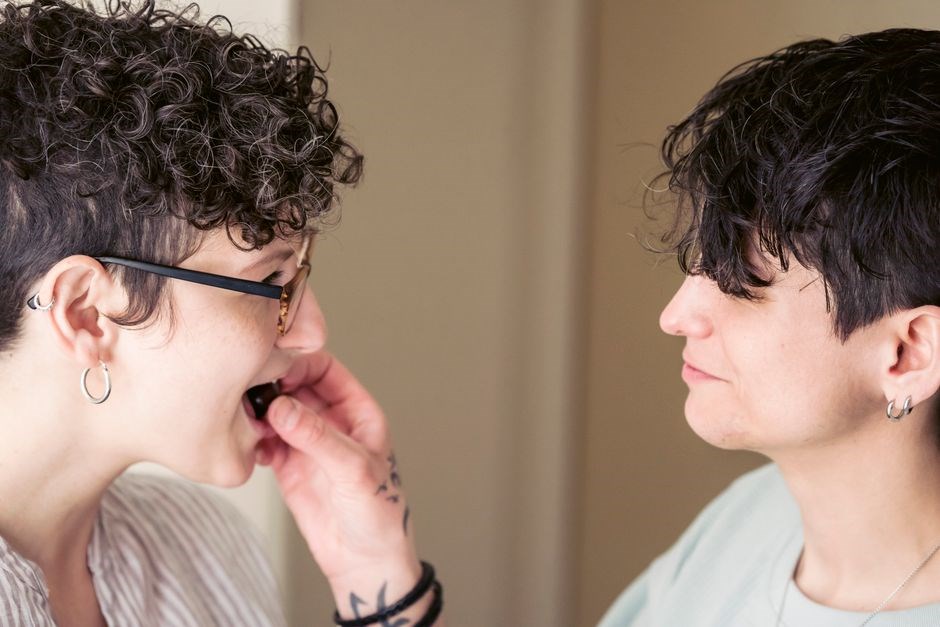
Accurate Portion Control with Bag Side Figures
James Well Beloved’s side figures are precise. Follow the bag’s weight guide, feeding the exact gram amount for the dog’s current weight. Other brands vary because of different formulations. Consistent use of the side numbers ensures accurate calorie intake. Adjust portions if weight changes. Recheck.daily.
Comparing Brand Variations in Food Composition
James Well Beloved kibble is formulated with a specific protein, fat, and fiber balance that yields a defined caloric density. When you compare it to other brands, you’ll notice that the weight per serving can differ significantly because each manufacturer uses a unique mix of ingredients. For example, a brand that uses higher fat content will have more calories per gram, while one that emphasizes plant‑based proteins may have a lower energy density. This means the side‑label figures on a James Well Beloved bag are not directly transferable to a different product; you must consult that brand’s own feeding chart. Additionally, the texture and kibble size can influence how quickly a dog consumes the food, which can affect the overall intake if the dog is prone to “wolfing.” By understanding these compositional nuances, you can adjust portions more accurately and avoid over‑or under‑feeding.
When evaluating brand differences, look at the protein source list, fat percentages, and added vitamins. A kibble with chicken meal and fish oil will have a higher omega‑3 content, which can benefit joint health, whereas a grain‑free formula may use sweet potato or peas as the primary carbohydrate source. The caloric density of each gram can range from 3.5 to 4.5 kcal, so a 1‑cup serving of one brand may equal only half the calories of another. Therefore, always read the feeding chart that accompanies each bag and adjust the measured portion accordingly. If your dog is active or growing, you may need to increase the portion by 10–15 %, but if the dog is sedentary or overweight, reduce by a similar margin. Consistency in measuring and monitoring weight will keep your pet at a healthy level.
Remember to weigh the kibble to catch weight changes early now.
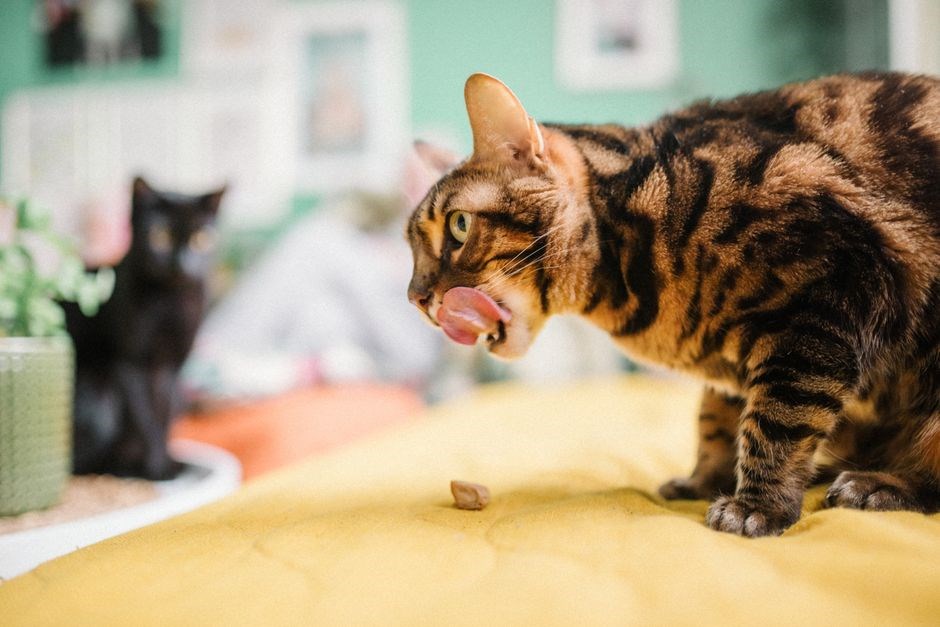
Feeding Schedule for Small Breed Puppies
Feed a small‑breed puppy 3 meals daily, each about 1/3 cup of James Well Beloved kibble, based on the bag’s weight guide. Add a low‑calorie treat or a few vegetable pieces as a snack a few hours after dinner. Adjust portions if weight changes. Feed at consistent times to aid digestion. Keep monitoring weight
Daily Meal Distribution and Snack Timing
For a small‑breed puppy, the James Well Beloved feeding guide recommends dividing the daily portion into three equal meals. Measure the kibble on the bag’s side panel, then split the total grams into three servings, each roughly 1/3 cup for a 10‑lb puppy. Feed at consistent times—morning, midday, and early evening—to establish routine and support healthy digestion.
After the evening meal, offer a low‑calorie treat or a few vegetable pieces, such as diced carrots or green beans, about two hours later. This snack satisfies the puppy’s natural urge to eat without excess calories. Keep the treat portion small—no more than 5–10% of the daily kibble calories to maintain weight goals.
Monitor the puppy’s weight weekly. If the puppy gains more than 0.5 lb per week, reduce each meal by 1–2 % of the total daily grams. Conversely, if the puppy’s weight plateaus or drops, increase each meal by a similar margin. Adjust snack size accordingly to avoid over‑feeding.
Use a puzzle bowl if the puppy tends to gulp food quickly. This slows eating, promotes better chewing, and reduces the risk of gastric dilatation‑volvulus. Always replace the bowl after each meal to keep it clean and safe.
Record feeding times and amounts in a journal or app. This data helps you spot trends, adjust portions, and discuss progress with a veterinarian during routine check‑ups. Enjoy consistent feeding for growth.!
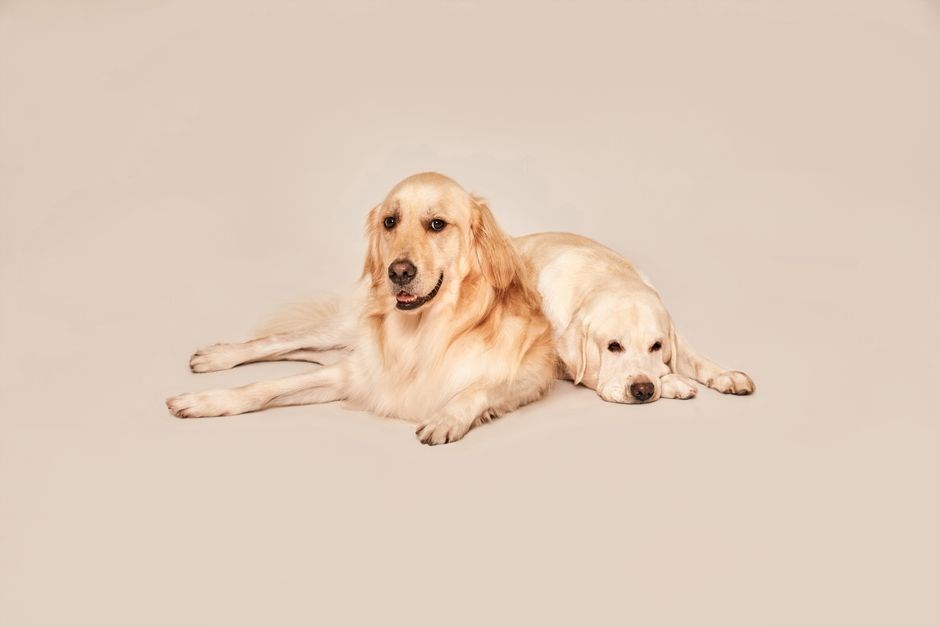
Incorporating Low-Calorie Treats and Vegetables
Low‑calorie treats like plain biscuits or dehydrated chicken strips fit well with James Well Beloved kibble. Add small veggie bits—carrot or cucumber—to boost fiber. Keep portions under 5 % of daily calories to avoid weight gain. Use a small bowl to serve treats, ensuring the puppy chews stays satisfied. !
Choosing Appropriate Snack Options
When supplementing a James Well Beloved kibble diet, selecting snacks that complement the main meal without adding excess calories is key. A rule is to keep treats below 5 % of the dog’s daily calories. This keeps the feeding plan balanced and prevents weight gain, especially in small breeds that grow rapidly during the first months.
Low‑calorie biscuits that are specifically formulated for puppies are ideal. Dehydrated chicken or turkey strips are high in protein but low in calories and can be broken into bite‑sized pieces that fit easily into a puzzle bowl or a small feeding dish.
Fresh vegetables are a natural, nutrient‑rich snack. Carrot sticks, cucumber slices, and green beans are all low in calories and high in fiber, which aids digestion. When offering vegetables, cut them into small pieces to prevent choking and encourage chewing, which can slow down eating if the dog tends to wolf food.
Fresh fruit can be included sparingly. Small portions of apple (without seeds), blueberries, banana provide vitamins and antioxidants, but sugar can add up quickly, so limit to a few pieces per day. For dogs that enjoy a sweet treat, consider a small amount of plain, unsweetened yogurt; it offers probiotics and a creamy texture that dogs love.
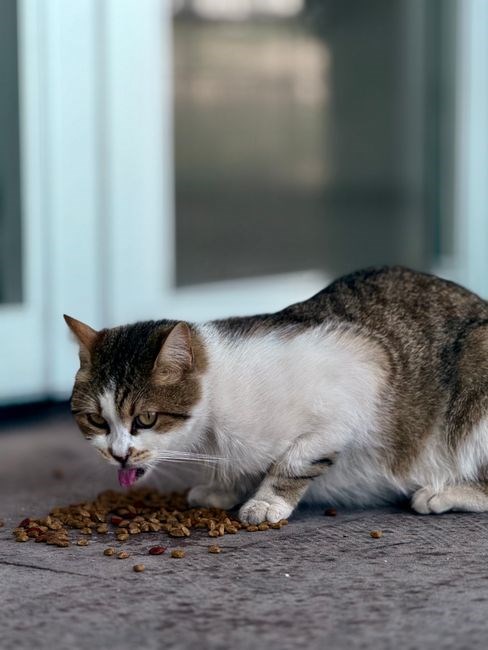
Always monitor the dog’s response to new snacks. If the puppy shows signs of digestive upset or rapid weight gain, reduce the portion or eliminate the snack altogether. Regular weigh‑ins and a review of the feeding schedule will help you adjust portions as the dog grows its changes daily.!!!!

Monitoring Weight and Adjusting Portions
Track weekly weight; if <5% gain, reduce kibble by 10g. If <5% loss, increase by 10g. Use bag side figures for precise grams. Adjust after growth spurts. Keep a log and revisit every 4 weeks. Small changes keep the puppy on target weight.Adjust monthly now!?
When to Increase or Decrease Food Intake
When a puppy’s weight trend deviates from the ideal curve, adjust the kibble accordingly. If the dog gains more than 5 % of its current weight in a month, cut the daily portion by 10 g per meal. A loss of more than 5 % warrants a 10 g increase. For rapid growth spurts, add 5–10 g per meal to support bone and muscle development. Monitor body condition score (BCS) weekly; a BCS above 5 on a 9‑point scale indicates overweight, while below 3 signals under‑nutrition. Adjust portions in 5‑g increments, re‑evaluate after 2 weeks. If the dog becomes more active—running, playing, or training—add 5 g per meal to compensate for extra energy expenditure. Conversely, if the dog’s activity drops or it shows signs of lethargy, reduce the portion by 5 g. Chronic conditions such as hypothyroidism or diabetes require veterinary input; the vet may prescribe a specialized diet or modify the feeding schedule. Always use the bag side figures for precise grams, and keep a feeding log to track changes. Re‑check weight monthly and adjust in small steps to avoid sudden shifts that could upset the dog’s metabolism. By staying vigilant and responsive to weight trends, you can keep your puppy healthy and happy while preventing obesity or malnutrition.

Use a digital scale to weigh the kibble before each meal, ensuring the grams match the bag’s side figures. Record the weight in a notebook or app. If the puppy’s weight plateaus, keep the same portion for two weeks before making another adjustment. Consistency helps the body adapt and prevents sudden weight swings. Daily monitoring ensures!
Utilizing Veterinary Guidance for Nutrition Plans
Veterinary guidance ensures the feeding plan matches the puppy’s growth, health, and activity. A vet can confirm weight targets, adjust kibble portions, and recommend supplements. Regular check‑ups keep nutrition balanced and prevent obesity or deficiencies. The vet may suggest a feeding schedule, monitor body condition, adjust issues .
When to Consult a Vet or Nutritionist
Even with clear bag guidelines, certain situations warrant professional input. If a puppy’s weight plateaus or drops despite following the recommended portions, or if body condition scores shift toward obesity or emaciation, a vet can reassess caloric needs. Sudden changes in appetite, vomiting, diarrhea, or lethargy signal underlying health issues that may require dietary adjustments. Puppies that grow rapidly—especially in the first few months—can outpace the standard feeding chart; a nutritionist can tailor a plan that balances growth spurts with long‑term health. Additionally, breeds prone to food allergies or sensitivities benefit from a vet’s evaluation of ingredient profiles. When a dog has a chronic condition such as hypothyroidism, diabetes, or renal disease, a specialized diet is essential, and a professional can prescribe the correct formulation. Finally, if you’re considering adding treats, supplements, or switching brands, consulting a vet ensures the new choices complement the core diet without excess calories or nutrient conflicts.Veterinary nutritionists also recommend monitoring body condition scores every 4–6 weeks, especially during growth spurts, to fine‑tune caloric intake. For dogs with food sensitivities, a hypoallergenic diet may be prescribed, and a vet can help transition smoothly. Regular bloodwork can detect early metabolic changes, ensuring the diet remains optimal over time.Always keep a log of food intake and weight changes to discuss during vet visits. daily each